What You'll Gain From This Guide
- Discover the top times for beaches, festivals, sightseeing, and honeymoons.
- Learn how Barcelona's major 2026 events could affect your trip.
- Get a month-by-month travel breakdown to plan with confidence.
- Choose the best area to stay for your itinerary and budget.
The capital of Catalonia, with its grand art and architecture, is touristy all year long. Yet it is recommended that you do enough research on the best time to visit Barcelona and not rush your trip.
The answer lies in what your travel priorities are: sunny beaches, festivals, lower prices, fewer crowds, weather or sightseeing conditions. Given that Barcelona has a mild Mediterranean climate throughout the year, it is a top destination in every season.
Our guide breaks down Barcelona's weather, tourist seasons, festivals, crowd levels, and travel costs to help you choose the best time to visit. So, let’s get into the specifics of travel to help you fine-tune your decision-making.
What is the Best Time to Visit Barcelona?
The best time to visit Barcelona for travellers remains May due to favourable temperatures, manageable crowds, and pre-peak prices. September is the second for warm seas and La Mercè, April for spring weather without the summer price tag.
September is the strongest runner-up: warm seas, falling summer rates, and the city's biggest street festival. For pure budget value, January wins outright.
But note that Barcelona in 2026 will be at a rare peak as it holds UNESCO World Capital of Architecture status, the Gaudí centenary and the Tour de France Grand Départ.
Understanding where these events land in the calendar changes which month makes sense for your trip.
Why is Barcelona in 2026 different?
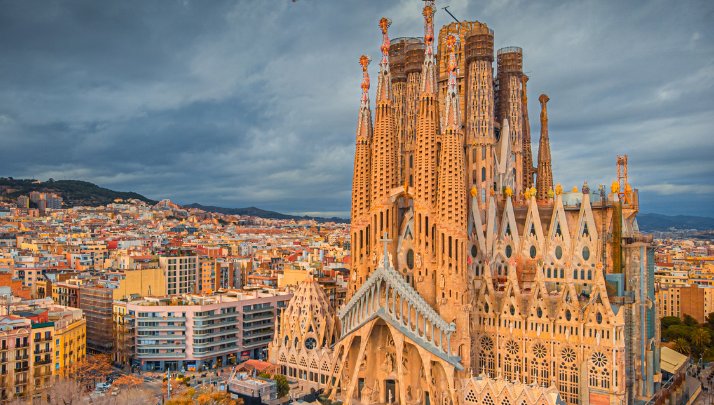
Before getting into the monthly and seasonal specifics, three things are happening in Barcelona this year that genuinely change the timing calculus, and they're worth understanding. This will help you decide when to visit Barcelona in 2026 for the best experience.
The Sagrada Família is finally complete
After 144 years of construction, Sagrada Família's Tower of Jesus Christ was crowned in February 2026. For the first time since Gaudí began building the structure in 1882, you can see the silhouette he envisioned. The formal inauguration took place on 10 June with a papal mass attended by 4,200 guests.
Visiting in 2026 means seeing a finished building, something no visitor in modern memory has been able to say. Tickets are selling out weeks ahead of time, even in off-peak months. It is best to book the moment your dates are confirmed.
Barcelona is the UNESCO World Capital of Architecture 2026
Going beyond just a title, this means a ten-month programme (12 February to 13 December) of over 1,500 events across all ten city districts. These events include 143 exhibitions, 500+ guided architectural routes, 300 debates, and 140 workshops, many of them free.
For travellers, the best upside is that buildings normally closed to the public are opening for special tours. The neighbourhoods beyond the usual tourist route are hosting guided architecture walks, and the city's lesser-known modernist buildings, Sant Pau, Casa Vicens, and Palau Güell, are getting a quality of programming they rarely see. Hence, making this year special for exploring Barcelona, its architecture, culture and beyond.
The Tour de France Grand Départ launches from Montjuïc on 4–5 July
Happening for the first time in Barcelona, the multiple-stage road bicycling race will bring a great spectacle. Accommodation in the area has already started to peak, so if you're planning a July trip, mid-to-late July is measurably more affordable and just as sunny.
Barcelona’s Tourist Seasons Explained
To understand Barcelona's tourist seasons, let's go through them one by one. If you are travelling during these seasons, it is best to plan your itinerary as much as possible.
- Peak season (June to August) is when Barcelona is at its most electric and most pressured. Consequently, accommodation hits its highest rates, popular attractions queue out daily, and the city's overtourism challenges are most acutely felt. Book well in advance.
- Shoulder season (April to May, September to October) is when experienced visitors return. Crowds are a bit lighter than peak, prices as well decrease, and the weather remains excellent.
- Low season (November to February) suits budget travellers who prioritise space over warmth. All major sights stay open, last-minute accommodation is plentiful, and the city feels like a place people actually live in.
2026 note: Early July sits in unusual territory this year. The Tour de France Grand Départ pushes accommodation prices and crowd levels in central Barcelona beyond normal peak-season levels on its opening race days. Read the July entry below before booking.
Barcelona Month by Month: What to Expect When You Visit
Barcelona offers something different every month, but the temperature, crowd density, and the resulting experience can vary. Use the table below to shortlist your window before diving into the goal-based sections below.
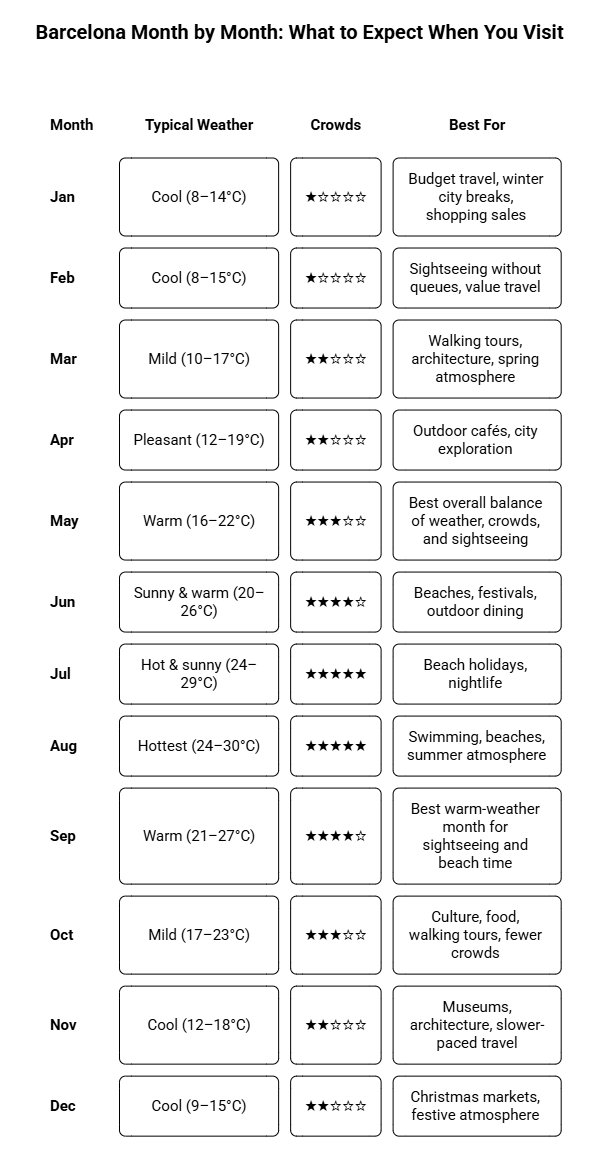
Crowd and price ratings: ★☆☆☆☆ = very low, ★★★★★ = peak.
Three facts to note from the data:
- September has the best weather with far fewer crowds
- January is the least rainy month, not December or February, as many guides assume
- October is the wettest month by a significant margin; plan accordingly
Best Time to Visit Based on Your Travel Styles
The best month to visit Barcelona depends largely on your travel style and what you want to get out of your trip. Let's see the best time to visit according to the different travel styles.
Best Month for Weather
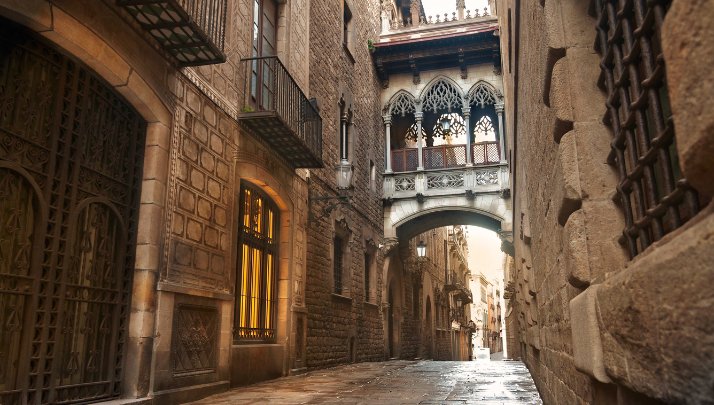
The best month to visit Barcelona, according to the weather, would be May. The temperature range of 16 to 22°C is ideal for walking all day without the fatigue that comes with the July and August heat.
If you specifically want beach weather, September will be the best choice, as you get the warmth of summer with far less crowd density.
Avoid July and August if heat is a concern, as both months regularly exceed 30°C by midday, making sightseeing a bit uncomfortable.
Best Month for Festivals
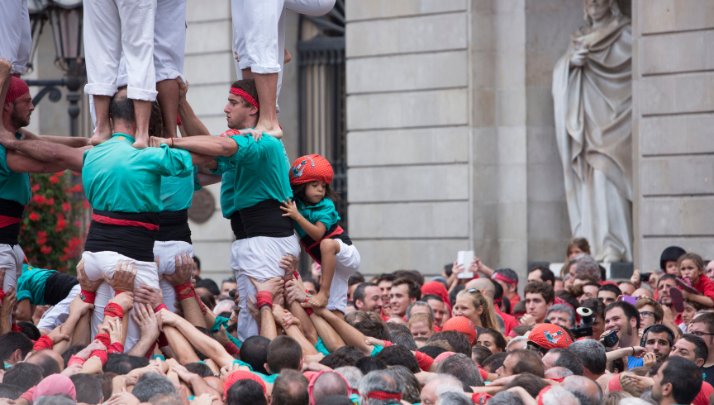
The best month for festivals is June, and in 2026, it spreads till early July due to the iconic cycling race. The other four things that happen in June are:
- Primavera Sound (4-6 June at Parc del Fòrum) sold out for the second consecutive year. Headliners: Doja Cat and Massive Attack on Thursday, The Cure and Skrillex on Friday, The xx and Gorillaz on Saturday.
- Sónar (18-20 June) is the city's long-running electronic music and digital arts festival, with OFFSónar satellite events running from 18 to 21 June across venues.
- Sant Joan (23-24 June) offers midsummer bonfires, fireworks, and beach parties. One of the most atmospheric nights of the Barcelona calendar, and it is entirely free.
- The Gaudí centenary inauguration (10 June), the Tower of Jesus Christ formally opens. The papal mass was invitation-only, but the building itself is open to ticket-holders, and for the first time, visitors can see Gaudí’s true vision complete.
If you want a single festival with a deeply local character rather than a packed schedule, Festes de la Mercè from 23 to 27 September is five days of free open-air concerts, human towers (castellers), fire runs (correfoc), and waterfront fireworks. You can enjoy it for free.
If you visit during late June, stay till 5 July, and see Barcelona take on a vibrant environment. You can also watch the race and be part of the iconic event.
Best Month for Beaches
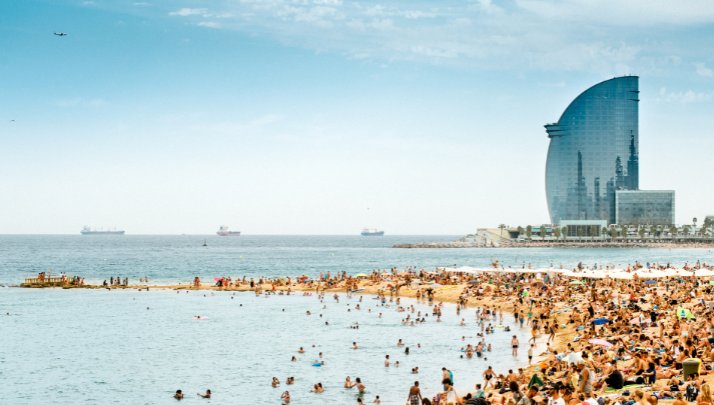
September has the best ratio of warm water to open sand. August offers the warmest water if crowds don't bother you. The swimming season runs from June through October, but the experience varies sharply:
- The June sea is around 22°C, comfortable for the enthusiastic swimmer. Beaches are busy but not yet at peak density.
- The July sea is around 24°C, with peak sunshine. Barceloneta is packed by 10 am on weekends.
- August sea temperature peaks at 25°C. The warmest swimming, but expect very dense beaches. Bogatell and Mar Bella are quieter alternatives to Barceloneta, so go early in the morning.
- In September, the sea temperature actually rises further to 25-26°C while crowds fall sharply after the first week. The best combination of warm water and space by a meaningful margin.
- October beach days are possible but no longer reliable as air temperatures drop and rain becomes more likely.
Best Month for a Honeymoon
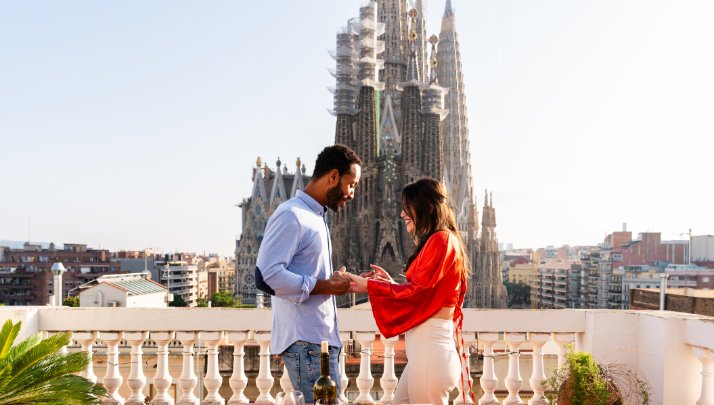
The best time to travel to Barcelona for a honeymoon is May or September. If you want a spring romance with a full city, choose May and September if you want warmth, intimacy, and better value. May gives you the most versatile romantic trip with long evenings for outdoor dining, and all of the city's terraces and rooftop bars are open. The Eixample and El Born are at their most photogenic.
Sant Jordi on 23 April falls just before, so you can plan to arrive a bit early to see the city's streets fill with book and flower stalls. September's appeal is more atmospheric. The summer intensity has passed, and restaurants are back to full menus after August. And evenings in Gràcia or along the Passeig del Born are the kind of thing people return for.
La Mercè coincides and provides spectacular vibes and entertainment that requires no planning at all.
When Not to Visit Barcelona
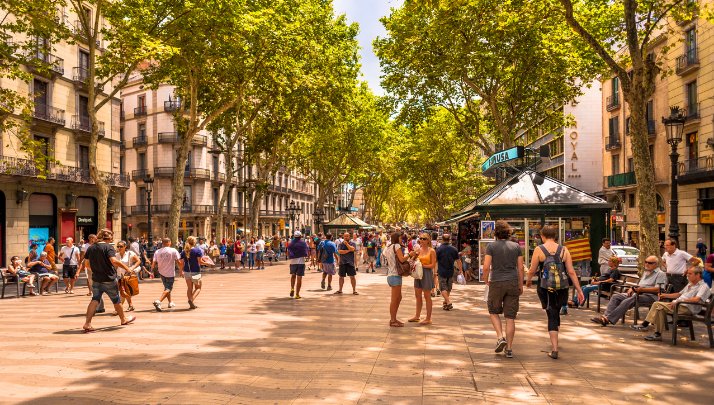
We have discussed at length when to visit, but as travellers, it is important to know when not to visit Barcelona.
- August, if heat and crowds are deal-breakers. Temperatures regularly exceed 30°C, Barcelona reaches its annual maximum visitor density, and some independent restaurants close for summer holidays. The city is lively, but it's not at its best.
- October, if reliable sunshine matters. The city is beautiful and quiet with excellent value, but October averages the highest rainfall of the year. The rain can put a damper on things, while sunshine will be rarest.
- Late December, if you want low-season prices. The December quiet breaks for the final ten days of the year. Aim for the first three weeks.
Where to Stay in Barcelona?
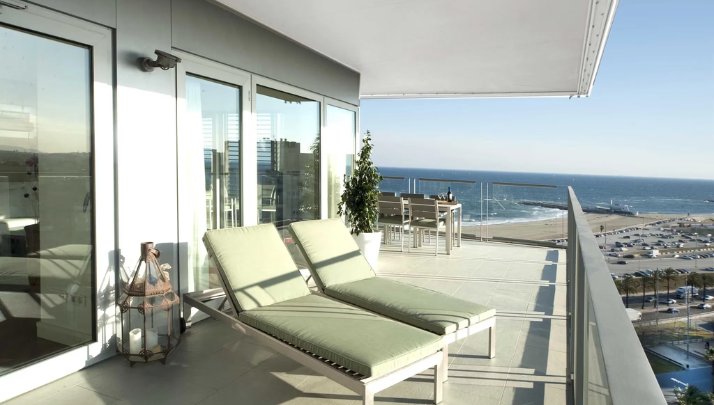
Choosing the right neighbourhood shapes your trip as much as the month you visit. Here's what you need to know about each area before booking.
- L'Eixample: L'Eixample is the strongest all-round base, particularly for 2026. Being centrally located on the famous grid layout, it is close to Sagrada Família, Casa Batlló, and La Pedrera, all walkable. Excellent metro connections, best restaurants, and a quieter street feel. Best for: first-timers, architecture lovers, couples.
- Gothic Quarter and El Born: The area puts you in the medieval heart of the city, steps from the Cathedral, the Picasso Museum, and Barcelona's best tapas bars. The streets are narrow and can feel crowded in peak season. Best for: culture-focused visitors
- Barceloneta: Right on the waterfront, with direct beach access and a lively seafront promenade, is ideal for beach-first trips. But far less rewarding as a base outside of summer. Expect a 15–20 minute commute to key attractions. Best for: Beach holidays in July and August.
- Gràcia: A residential neighbourhood offers the most genuinely local atmosphere, independent cafés, and residential streets. Quieter than central areas and 15 minut commute to main sights. The strongest choice for returning visitors who want to move beyond the tourist circuit. Best for: returning visitors, slow travellers, and anyone visiting in the shoulder season.
Conclusion
There's no single "best" month to visit Barcelona, only the best month for what you want from your trip. It's worth matching your priorities against the breakdown above rather than defaulting to the obvious summer months.
What holds across the board: shoulder-season travel consistently offers the best balance of cost, comfort, and access, and 2026's added layer of major events means planning matters more than usual. Whatever month you land on, lock in accommodation and key attraction tickets as early as possible, and check the local events calendar for your chosen dates before finalising your itinerary.
FAQs
Which is the best month to visit Barcelona?
What is the cheapest month to visit Barcelona?
What is the hottest month in Barcelona?
Is Barcelona worth visiting in winter?
What is special about visiting Barcelona in 2026?
How crowded is Barcelona in summer?