What You'll Gain From This Blog
- The best cultural festivals and events in Nairobi throughout the year
- When to visit and what to expect at each festival
- The best areas to stay for easy access to events
- Learn which Nairobi festivals are free and which require advance tickets.
- Practical travel and safety tips for a smoother trip
Nairobi is one of East Africa's most dynamic cities, and if you're planning a trip, there is far more to explore here than wildlife safaris. Among the most exciting things to do in Nairobi are the city's vibrant cultural festivals, which are sprinkled throughout the year and offer a genuine window into Kenyan life, music, food, art, and community.
Whether you're a first-time visitor or a returning traveller, if you plan your trip around any of these events and festivals, your holiday will have an unforgettable touch.
This guide covers the best cultural and local festivals in Nairobi, when they happen, where they are held, what to expect, and where to stay to make the most of each one.
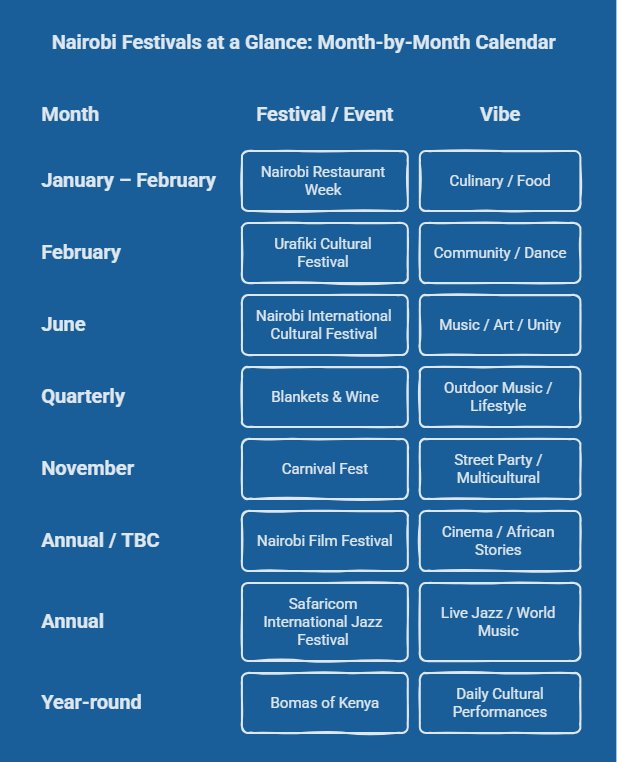
Nairobi Festivals at a Glance: Month-by-Month Calendar
Planning your trip around Nairobi's festival calendar? Here's a quick overview to help you pick your dates:
Best Cultural and Local Festivals You Can Enjoy in Nairobi
While you plan your travel intricacies, let’s lay out all the cultural and local events in Nairobi, Kenya. These festivals let you connect with the city’s culture more in-depth.
Carnival Fest (November)
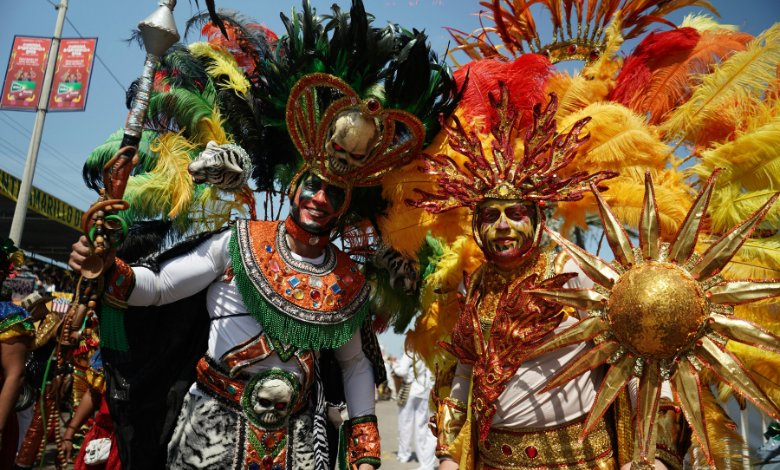
Carnival Fest is one of the most visually spectacular festivals in Kenya in November. Held every November, this festival will captivate you with its multicultural street party feel. It pays tribute to the ethnic diversity of Kenya with attractions like bustling parades, diverse costumes, and contemporary and traditional music.
Think of it as Nairobi's answer to a Caribbean carnival, but rooted entirely in Kenyan heritage.
It is free to attend most of the street parade sections, making it accessible to all visitors. The event typically takes place around the city centre, so staying in Westlands or Kilimani puts you within easy reach.
- Best for: First-time visitors who want an immersive introduction to Kenya's cultural diversity
- Location: Nairobi CBD and surrounding streets
- Cost: Mostly free; ticketed performances may apply
Don’t miss the amazing performances here, which give you rich insights into Kenya’s fascinating traditions.
Blankets & Wine (quarterly)
Blankets & Wine is arguably the most beloved recurring cultural event among Nairobi locals and one of the cultural events in Nairobi, Kenya, for music and lifestyle lovers.
Held quarterly at Ngong Racecourse (and occasionally other venues), it's a relaxed, picnic-style outdoor festival drawing a creative, fashion-forward crowd for live neo-soul, Afro-pop, and indie music alongside local food stalls, craft vendors, and curated art displays.
Tickets are sold in advance and tend to sell out, so book early. Bring a blanket, good company, and a willingness to discover Kenya's thriving independent music scene.
- Best for: Music lovers, couples, lifestyle and fashion enthusiasts
- Location: Ngong Racecourse, Nairobi (primary venue)
- Cost: Ticketed; prices vary by edition
Nairobi International Cultural Festival (June)
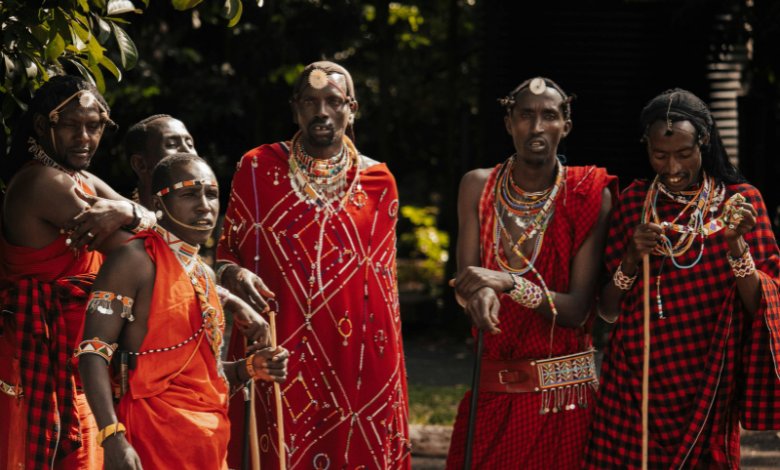
Organised by the Nairobi City County government, this annual June festival at Uhuru Park is one of the city's most community-driven events. Bringing Kenyan communities alongside international cultural groups for performances, food courts, craft markets, and art exhibitions, under the theme of unity in diversity.
A genuinely wholesome family-friendly event, this festival is one of the most authentic cultural experiences in Kenya.
- Best for: Families, cultural travellers, photography enthusiasts
- Location: Uhuru Park, Nairobi CBD
- Cost: Mostly free entry
Nairobi Film Festival (Annual, Dates Vary)

If you’re a movie buff, the Nairobi Film Festival is a must. Running for approximately one week, it showcases the best of Kenyan and African cinema, from debut short films to full-length features, across multiple city venues.
It is often a platform for local moviemakers who also engage with movie lovers here. It's less of a tourist event and more of a genuine industry and community gathering, which actually makes it more interesting for curious visitors.
- Best for: Film enthusiasts, creative travellers, those interested in African storytelling
- Location: Multiple venues across Nairobi
- Cost: Ticketed per screening; festival passes available
Urafiki Cultural Festival (February)
Urafiki, meaning 'friendship' in Swahili, is a multi-day event that aims at building national unity. You will love how various communities throughout Kenya gather together to share food, dancing, cultural traditions, and more. It is a quieter, more intimate Nairobi event than Carnival Fest, but deeply meaningful and rich in authentic local content.
Note that the festival is held periodically, so confirm dates on the official Nairobi County calendar before planning your trip around it.
- Best for: Travellers seeking authentic, non-touristy cultural experiences
- Location: Varies; typically central Nairobi
- Cost: Free to low-cost
Nairobi Restaurant Week (January to February)
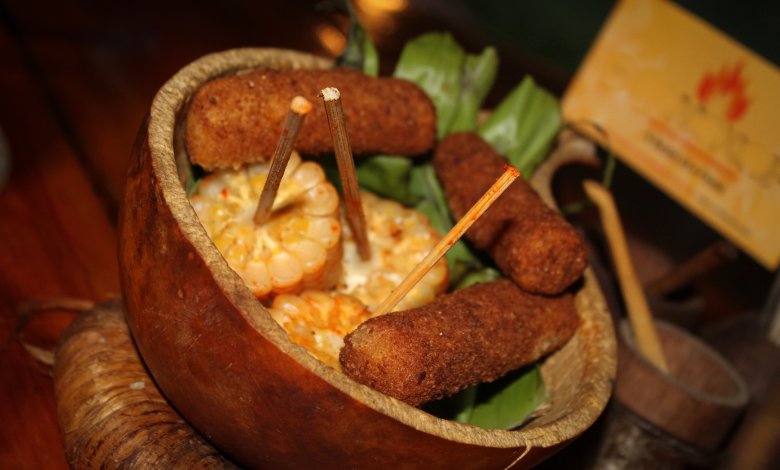
This is ideal for food travellers who want to eat well without the guesswork of which restaurants to try.
- Best for: Food lovers, culinary travellers, urban explorers
- Location: Restaurants citywide
- Cost: Fixed-price menus; varies per restaurant
Safaricom International Jazz Festival:
Sponsored by Safaricom, this is Kenya's premier jazz event and one of the most polished live music experiences in East Africa. It brings together acclaimed international jazz artists alongside top local performers for a high-production outdoor concert that typically draws thousands of music lovers.
If jazz is your genre, this is genuinely one of the best things to do in Nairobi; the atmosphere is sophisticated, the crowd is enthusiastic, and the calibre of performers is world-class.
- Best for: Jazz lovers, live music fans
- Location: Varies; check the official Safaricom Jazz website for the current venue
- Cost: Ticketed; booking strongly recommended
Bomas of Kenya (Daily, Year-Round)
Unlike the other entries on this list, Bomas of Kenya is not a festival; it is a permanent cultural centre that operates daily. Think of it as a living museum: it features traditional homesteads ('bomas') of over 40 Kenyan tribes, and stages regular traditional dance performances throughout the day.
It is one of the most educational and visually rich things to do in Nairobi for any visitor, and it works well as a standalone day trip. Admission is ticketed.
- Best for: First-time visitors, families, cultural learning
- Location: Forest Edge Road, Langata
- Cost: Ticketed; check current rates on arrival
Where to Stay in Nairobi to Attend Major Festivals

Now comes an important question of where to stay in Nairobi to be near major festival or event sites. Let’s find out below:
- Westlands: Westlands is a central location that offers a vibrant and casual feel. You’ll be close to the Nairobi National Museum and multiple art galleries, along with lively nightlife joints. It is the major commercial and nightlife hub of the city, making it easy to travel to downtown events at cultural hubs in the north or the KICC. You’ll also find several premier international restaurants here, along with top shopping malls.
- Kilimani/Upper Hill: You can consider staying here to easily access the well-known Nyayo National Stadium, which hosts several cultural and music festivals. There is also a quick commute to the downtown area, while you’ll also be near several premium neighbouring zones that are popular with expats and tourists alike. You will find the place quieter in comparison to Westlands, although it is still a central location for attending multiple festivals and events.
- Karen: Karen is ideal if you want to stay near the Karen Blixen Museum, the Sheldrick Wildlife Trust, Kazuri Beads Workshop, and several other attractions. You will find this leafy suburb really attractive, and it’s located just outside the city centre. However, there may be heavy traffic to deal with when you’re visiting cultural events in the downtown area.
- Muthaiga/Rosslyn: Ideal for diplomatic security and fast access to cultural events in the north, this area is also well-known for its nearby Village Market. You will love how green and exclusive the area is, making it a preferred option for diplomats. Not only is it tranquil and safe, but it also offers a relaxing stay when you’re in Johannesburg. There are several serviced apartments in Nairobi that you’ll find here or in nearby localities. However, do note that taxi services are necessary for moving around.
Is it Safe to travel to Nairobi Alone as a Woman?
This is one of the most common questions asked by solo female travellers considering Nairobi, and the honest answer is: yes, with the right preparation and awareness, Nairobi is absolutely manageable as a solo female traveller.
Nairobi is a major cosmopolitan city, and like any large urban destination, it has areas that require more caution than others. The good news is that the neighbourhoods most popular with tourists and expats, Westlands, Kilimani, Karen, and Muthaiga, are generally safe, well-lit, and well-served by reputable transport options.
Practical Safety Tips for Female Travellers in Nairobi
The basic tips for female travellers in Nairobi will help you have an enjoyable trip while ensuring safety.
- Such as Uber or Bolt, rather than hailing taxis from the street, especially after dark. Use trusted ride-hailing apps.
- Westlands and Kilimani have good options and are walkable during the day. Stay in a well-reviewed accommodation.
- Dress modestly in markets and community events, out of cultural respect, especially during festivals in public parks.
- Let someone know your plans. Share your itinerary with a friend or family member back home each day.
- Avoid walking alone late at night.
- Use a crossbody bag and avoid displaying expensive jewellery or phones in crowded public spaces. Keep valuables discreet.
Final Thoughts
Nairobi is a city that rewards travellers who look beyond the obvious. Yes, the wildlife is world-class, but the cultural life of the city is just as compelling and far less talked about.
The best approach is to pick two or three events that genuinely excite you, build your trip around those dates, and then let the city fill in the rest. Book your serviced apartment in Nairobi and flights early, particularly around November and June, when the city is at its most festive. You'll find that Nairobi gives back far more than you expect.
FAQs
1. What is the best time of year to visit Nairobi for festivals?
November (Carnival Fest) and June (Nairobi International Cultural Festival) are the two peak months for cultural events. However, if you're visiting for food and music, January to February covers both Nairobi Restaurant Week and the Urafiki Cultural Festival. Blankets & Wine runs quarterly, so there's almost always an edition happening whenever you visit.
2. Is Nairobi worth visiting for cultural tourism, not just safaris?
Absolutely. Nairobi has one of the most vibrant urban cultural scenes in sub-Saharan Africa. Between the festivals listed here, the Karen Blixen Museum, the Nairobi National Museum, the thriving restaurant and cafe scene, and the Bomas of Kenya, there is easily a week's worth of things to do in Nairobi that have nothing to do with wildlife safaris.
3. Are Nairobi festivals free to attend?
It depends on the event. The Nairobi International Cultural Festival, Carnival Fest street parades, and most events at Uhuru Park are free or low-cost. Blankets & Wine, the Safaricom Jazz Festival, and the Nairobi Film Festival are ticketed, with booking strongly recommended. Prices are generally affordable by international standards.
4. What should I wear to cultural festivals in Nairobi?
Smart casual works well for most Nairobi events. For outdoor festivals like Blankets & Wine and Carnival Fest, comfortable clothes and flat shoes are practical. When attending community events at Uhuru Park or the Urafiki Festival, dressing modestly is appreciated out of cultural respect. Bring a light layer for evenings, as Nairobi sits at an altitude, and nights can be cool.
5. Is Nairobi safe for tourists in 2026?
Nairobi is broadly safe for tourists who exercise standard urban awareness. The tourist-popular neighbourhoods, Westlands, Kilimani, Karen, and Muthaiga, have a strong security presence and are well-patrolled. The main risks are opportunistic petty crime (phone snatching, pickpocketing in crowded markets) rather than targeted violence against tourists. Using app-based taxis, staying in reputable accommodation, and avoiding the CBD late at night reduce risk significantly. Most visitors have straightforward, enjoyable trips.
6. How do I get around Nairobi to attend different festival venues?
The most practical option for tourists is Uber or Bolt, both of which operate reliably across Nairobi. Matatus (minibuses) are cheap and widely used by locals but can be confusing for first-time visitors. If you're staying in a central neighbourhood like Westlands or Kilimani, many cultural venues, including Uhuru Park, the KICC, and the CBD, are within a short, inexpensive ride. Renting a car with a driver for multi-day festival touring is also popular and easy to arrange through your accommodation.