What You’ll Gain From This Blog
- The best things to do in Le Marais, from landmarks to museums and shopping.
- A practical walking route through Le Marais and its key sights.
- Insights into the neighbourhood’s Jewish and LGBTQ+ heritage.
- Where to find Le Marais’s famous food, including falafel and pastries.
- Tips on how long to spend in Le Marais and what to prioritise.
- Whether Le Marais is a good area to stay in Paris, based on your travel style.
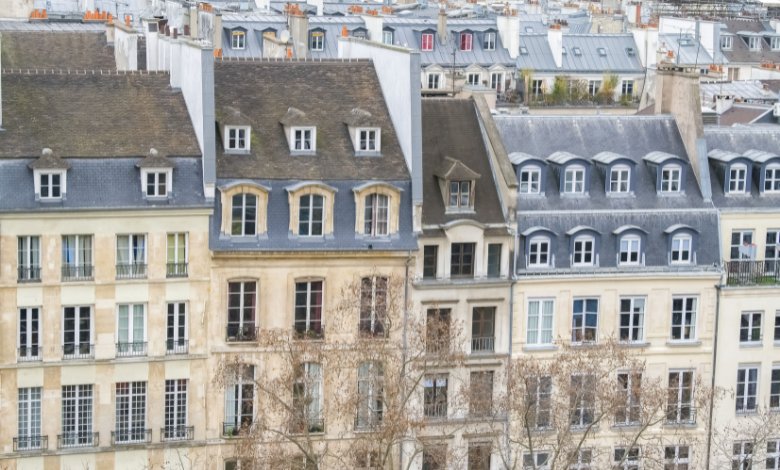
Le Marais is one of the few parts of Paris where the city's history is woven into everyday life. It's where Old Paris comes alive. Grand mansions, centuries-old buildings, and streets that were once walked by aristocracy are now filled with gorgeous cafés, galleries, restaurants and shoppers.
Spread across the 3rd and 4th arrondissements, it is a neighbourhood best explored on foot. Just stroll the well-trodden paths and explore innumerable things to do in Le Marais.
This guide explores how Le Marais is best explored, the historic places worth seeing, the neighbourhood's Jewish and LGBTQ+ heritage, its shopping and food scene, and a practical walking route through its streets.
Why Le Marais Feels Like Old Paris
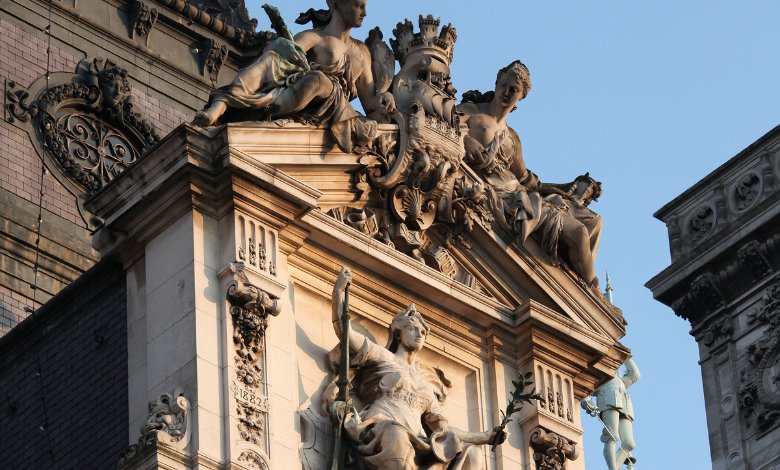
The name Marais comes from the area's former marshland, which was gradually drained and developed. The neighbourhood became an aristocratic quarter by the late Middle Ages, and the 17th century brought the construction of many of the private mansions that now create its picturesque setting.
That architectural legacy is one of the clearest reasons Marais in Paris feels different from many other central neighbourhoods. Historic façades, courtyards and narrow streets remain part of the working city rather than being preserved solely as monuments.
The historic fabric of this neighbourhood has truly survived the test of time, with preservation efforts including the framework created by the Malraux Law of 1962 that helped protect the area's architectural heritage.
Today, the result is a neighbourhood where history is something you encounter while walking between museums, shops, cafés and restaurants.
What are the Best Things to do in Le Marais
You do not need to visit every museum or landmark to understand the beauty of Le Marais or the history behind it. A handful of places give you a good sense of its architecture, history and contemporary character.
See Place des Vosges
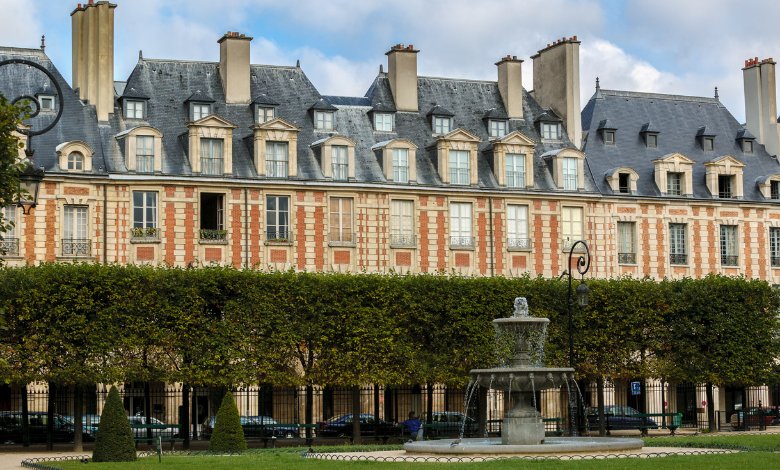
Start with Place des Vosges, one of the oldest monumental squares in Paris and one of the defining sights of the neighbourhood. Its red-brick façades, arcades and central garden make it easy to recognise, while several historic mansions around the square have been converted into museums.
It is also home to the Maison de Victor Hugo, where the writer lived. Even if you do not visit the museum, the square is worth including in any first walk through Le Marais.
Best for: architecture, photography, a quiet break and first-time visitors.
Visit Musée Carnavalet
If you want to understand the history of Paris rather than simply look at historic buildings, Musée Carnavalet is one of the most useful stops.
The museum occupies two historic hôtels particuliers and traces the history of Paris through its collections. Its buildings themselves span more than four centuries of architectural development.
Best for: Paris history, architecture and culture-focused travellers.
Explore Musée Picasso Paris
The Musée Picasso Paris occupies the Hôtel Salé, one of the neighbourhood's grand historic residences. The combination of Picasso's work and the building itself makes it particularly worthwhile for visitors interested in both art and architecture.
You can easily pair it with a walk along the surrounding streets, making it one of the more rewarding things to do in Le Marais if you have got several hours on your hands.
Best for: art lovers and architecture enthusiasts.
Shopping in Le Marais
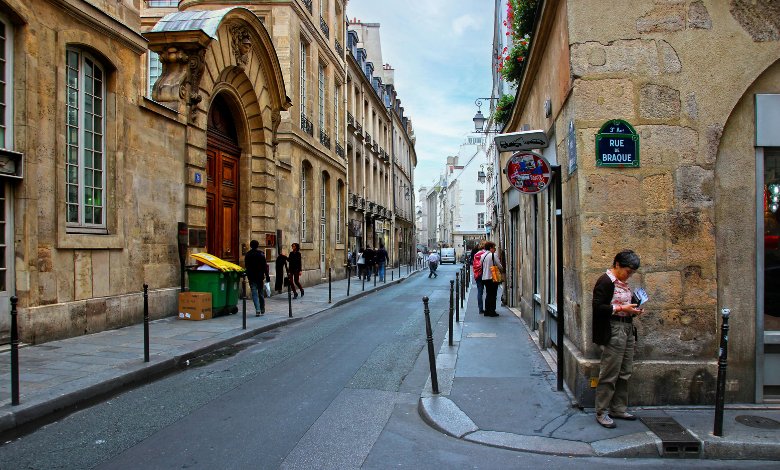
Shopping is one of the best things to do in Le Marais. The streets around Rue des Francs-Bourgeois, Rue Vieille du Temple and Rue des Rosiers bring together established fashion names, independent designers, vintage stores, concept shops and smaller boutiques.
The experience is as much about exploring the streets as finding a particular shop. You can move from well-known labels to independent stores within a few minutes, with historic façades and courtyards providing the backdrop.
For Le Marais shopping, allow time to browse rather than treating it as a single stop. Sunday is also useful for visitors who want to combine shopping with sightseeing, as many shops in the neighbourhood open when other Parisian stores may be closed.
Best for: fashion, design, vintage finds and browsing between sights.
Leave Time for the Streets Between the Sights
Some of the best experiences in Le Marais are not attractions at all. Look through open courtyards, notice the details of old façades and take the smaller streets between the major landmarks.
That is particularly useful if your idea of the old-town Paris experience is less about ticking off monuments and more about seeing how historic streets fit into modern city life.
Le Marais Beyond its Architecture
Le Marais’s appeal does not end with its spellbinding architecture, though it makes up a lot of its unique personality. Beyond it, you will find that its identity today comes from the different communities, businesses and cultural scenes that have developed around its historic streets. Here’s how to explore it.
Jewish Heritage
To dive into the district’s Jewish heritage, explore the Pletzl around Rue des Rosiers. The area combines historic significance with an active food and retail scene, so it works best as part of a wider walking route rather than a standalone sightseeing stop.
LGBTQ+ Culture
Le Marais has a long association with Paris's LGBTQ+ community and remains known for its LGBTQ+ bars, businesses and nightlife. You can spend time in the southern part of the neighbourhood to get a taste of the same; the atmosphere shifts from the quieter museum streets nearby.
Food to Try in Le Marais
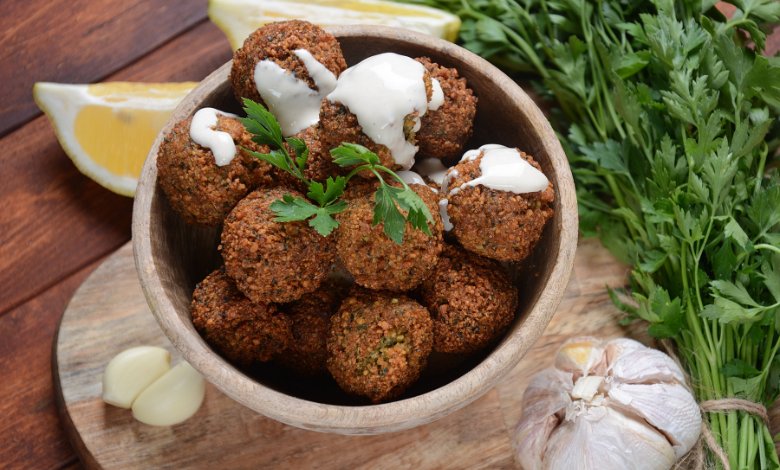
Food is part of what makes Le Marais feel lived-in rather than simply historic. Falafel in Le Marais is the obvious place to start. Rue des Rosiers is particularly associated with falafel, with several casual spots serving it with salads, aubergine and tahini. It is a great lunch to pick up while exploring the neighbourhood.
Beyond falafel, look out for Jewish and Eastern European-influenced pastries around the Pletzl, as well as bagels, bakeries and French pâtisseries.
For something lighter, the cafés and food shops around the neighbourhood make it easy to stop for coffee, pastries or a quick bite without interrupting a walking itinerary.
The best approach is to build food into your route rather than treating it as a separate activity: explore Rue des Rosiers around lunchtime, continue towards Rue des Francs-Bourgeois for shopping, then slow down around Place des Vosges in the afternoon.
A Walk Through Le Marais
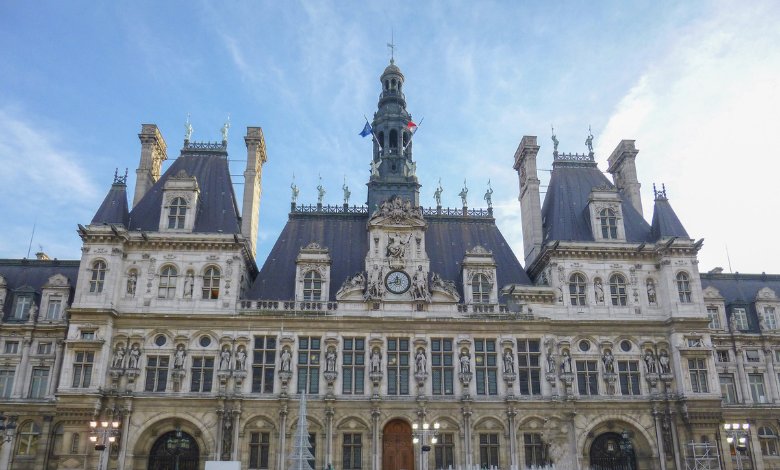
Le Marais is particularly well suited to exploring on foot, and the Paris tourism office itself recommends several walking routes through the neighbourhood.
For a first visit, this route connects several of the area's most useful stops without trying to cover everything.
1. Start at Hôtel de Ville
Begin around Hôtel de Ville and walk towards the southern edge of the neighbourhood. This gives you an easy starting point before moving into the narrower historic streets.
2. Continue to Rue des Rosiers
Head towards Rue des Rosiers and the Pletzl. Allow time to explore the surrounding streets and stop for something to eat rather than treating the area as a quick photo stop.
3. Walk Towards Rue des Francs-Bourgeois
Continue north towards Rue des Francs-Bourgeois. This is a good stretch for seeing the contrast between historic buildings and contemporary shopping.
4. Stop at the Museums
If you have time, choose one museum rather than trying to fit them all in. Musée Carnavalet works particularly well if you want Parisian history; Musée Picasso Paris is the more natural choice for art.
5. Finish at Place des Vosges
End at Place des Vosges. Walk beneath the arcades, sit in the garden or visit Maison de Victor Hugo before deciding whether to continue further into the neighbourhood.
Allow: Around half a day for this route without spending extensive time inside museums. Give yourself most of a day if you want to combine sightseeing, shopping, food and a museum visit.
Is Le Marais a Good Place to Stay in Paris?
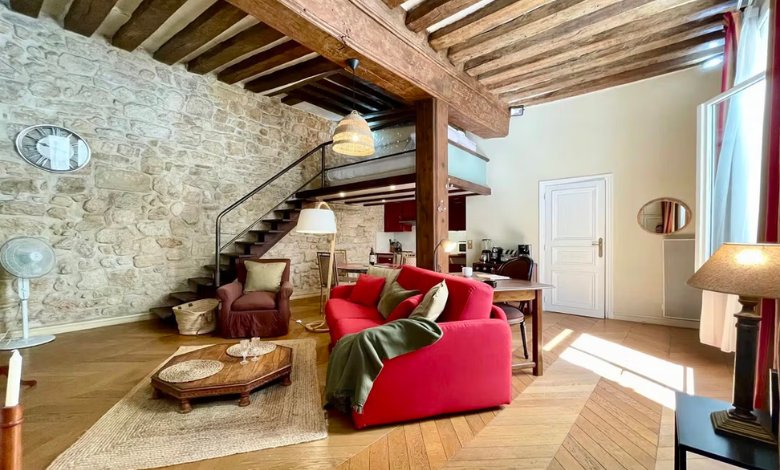
Le Marais is a good area to stay in Paris if you want a central neighbourhood where historic sights, museums, restaurants, shopping and nightlife are easy to reach on foot. Its location across the 3rd and 4th arrondissements also makes it convenient for exploring other parts of central Paris.
It particularly suits first-time visitors, couples, culture-focused travellers and longer-stay visitors who want to experience Paris beyond the main tourist landmarks. The trade-off is that Le Marais is popular and can feel busy, particularly around its busiest shopping and dining streets.
Choose Le Marais if you want:
- Historic Paris on your doorstep: Grand hôtels particuliers, old streets and Place des Vosges are part of everyday surroundings.
- A walkable base: Many museums, restaurants, shops and attractions are close enough to reach on foot.
- Culture and nightlife: Museums and galleries sit alongside cafés, restaurants and the neighbourhood's LGBTQ+ scene.
- A lively atmosphere: The area remains active beyond sightseeing hours.
If you are staying in Paris for long, get information on Bail Mobilité here.
Le Marais, Paris: What to Know Before You Go
Le Marais is a neighbourhood that anyone can not afford to miss out on. Its strongest appeal comes from historic architecture, museums, Jewish heritage, shopping, food and contemporary culture within a compact, walkable neighbourhood.
For a short visit, prioritise Place des Vosges, Rue des Rosiers, one of the major museums and the streets around Rue des Francs-Bourgeois. If you have half a day, focus on the historic core and finish at Place des Vosges. With a full day, add a museum, lunch around the Pletzl and time for shopping or galleries.
That balance is what defines the Marais district Paris visitors experience today: historic enough to feel like old Paris, but lively enough to show how the neighbourhood continues to evolve. Rather than rushing between attractions, leave time to walk without a destination. In Le Marais, the streets between the sights are part of the experience.
FAQs
What is Le Marais known for?
How long should you spend in Le Marais?
What food is Le Marais famous for?
Is Le Marais a good area to stay in Paris?
What are the best things to do in Le Marais?