
What You’ll Gain from This Blog
- A realistic breakdown of the cost of a Paris trip from the US, including flights, accommodation, food, and attractions
- Estimated daily budgets for budget, mid-range, and luxury travelers
- Sample 5-day, 7-day, and 11-day trip costs to help plan your budget
- Practical tips to save money while traveling in Paris
- Guidance on the best time to visit and how to plan your stay efficiently
Are you planning a Paris trip from the US? The City of Love continues to attract travelers from across the United States for several reasons, chief among them being its iconic landmarks like the Eiffel Tower and the Louvre, its café culture, and its rich history that can be felt in every neighborhood.
At the same time, Paris is a well-connected European hub, making it convenient for international travelers while offering an unforgettable mix of culture, art, fashion, and cuisine. From wandering along the River Seine to browsing historic bookstores and enjoying long café breaks along tree-lined boulevards, the city has a way of turning simple moments into lasting memories.
But before booking your flights, most travelers ask the same practical question: how much does a trip to Paris actually cost?
A carefully planned trip might cost around $1,800–$2,500 per person, including flights, while a mid-range vacation could range between $2,500–$4,000, with luxury trips costing significantly more. Let’s take a closer look at the typical costs involved when planning a trip to Paris from the US.
(Prices reflect typical travel costs based on 2025–2026 travel data and may vary depending on the season and availability.)
Average Cost of a Paris Trip from the US

Several factors influence the overall cost of visiting Paris. These include flights, accommodation, food, local transportation, and attraction tickets. Understanding what travelers typically spend in each category can help you plan a realistic budget for your trip.
Flights
Seasonal pricing is a key aspect worth noting when it comes to flying to Paris. Travelers may find economy fares ranging between $600–$850 during the low season (January, February, and November). In the shoulder season (March to May and September to October), round-trip flights typically range between $800–$1,200.
During peak travel months such as June through August or around major holidays, fares can increase to around $1,100–$1,600 or more depending on the departure city.
On average:
• Economy class: $700–$1,200
• Premium economy: $1,300–$2,200
• Business class: $3,000–$5,500+
Booking flights a few months in advance can often help travelers find better deals.
Tip: If your travel dates are flexible, mid-week flights often come with noticeably lower fares.
Accommodation
Accommodation is another major part of your travel budget. Budget hostels or rentals may cost around $40–100 per night, while 3-star hotels typically range between $150–250. For 4-star hotels, prices usually fall between $250–420 per night, while luxury 5-star properties can cost $450–900 or more.
If you’re considering furnished apartments in Paris, nightly rates may start from around $150–350 depending on location and length of stay. Many travelers prefer these for longer visits because they offer more space, kitchens for cooking meals, and amenities such as Wi-Fi and laundry facilities.
For families or groups, staying in an apartment can sometimes be more practical than booking multiple hotel rooms.
If you’re deciding where to stay, different areas of Paris offer very different experiences. This guide to the best neighbourhoods to stay in Paris can help you choose the right area depending on whether you prefer historic districts, quieter local neighborhoods, or lively cultural hubs.
Food & Dining
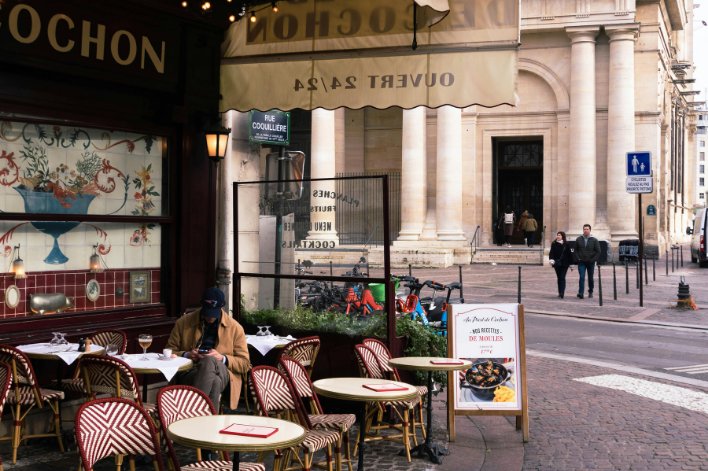
Paris offers plenty of dining options, from bakeries and street cafés to traditional bistros and fine dining restaurants. Budget travelers may spend around $30–50 per day on food, especially if they rely on bakeries, takeaway sandwiches, and casual cafés. Mid-range travelers may spend approximately $60–110 per day, including café breakfasts, bistro lunches, and restaurant meals with wine.
Luxury travelers who prefer fine dining experiences may spend $150 or more per day, especially when enjoying multi-course meals or Michelin-star restaurants. For example, a quick lunch at a café may cost $15–25, while dinner at a traditional Parisian bistro might range between $30–45 per person.
Local Transport
Paris has one of the most efficient public transport systems in Europe, which makes getting around surprisingly easy even for first-time visitors. Single metro or RER tickets cost around $2.70, while bus or tram tickets are roughly $2.30. A carnet (10 tickets) costs approximately $18, while a Mobilis day pass for central zones costs around $8.
Most travelers spend about $15–20 per day on transport, depending on how much they explore. For taxis or ride-shares, the base fare usually starts around $3, and airport transfers from Charles de Gaulle to central Paris typically cost $50–60.
Attractions & Activities
Paris is home to some of the world’s most famous cultural attractions, many of which charge entry fees.
For example:
• Louvre Museum: about $24
• Eiffel Tower summit: around $30
• Musée d’Orsay: around $17
• Paris Museum Pass (2 days): about $75
Travelers who plan to visit multiple museums may find passes helpful for saving time and occasionally reducing overall costs.
Of course, Paris offers far more than just these highlights. If you want a broader list of attractions, museums, and experiences, this guide on what to do in Paris covers many more ideas for planning your itinerary.
Shopping & Miscellaneous Expenses
Souvenirs, small purchases, and unexpected expenses are also worth budgeting for. Many travelers set aside around $20–40 per day for souvenirs and small purchases, while those planning to shop more extensively may spend $50–120 or more daily.
Cost Comparison by Trip Length

Here are estimated daily travel budgets based on typical spending patterns.
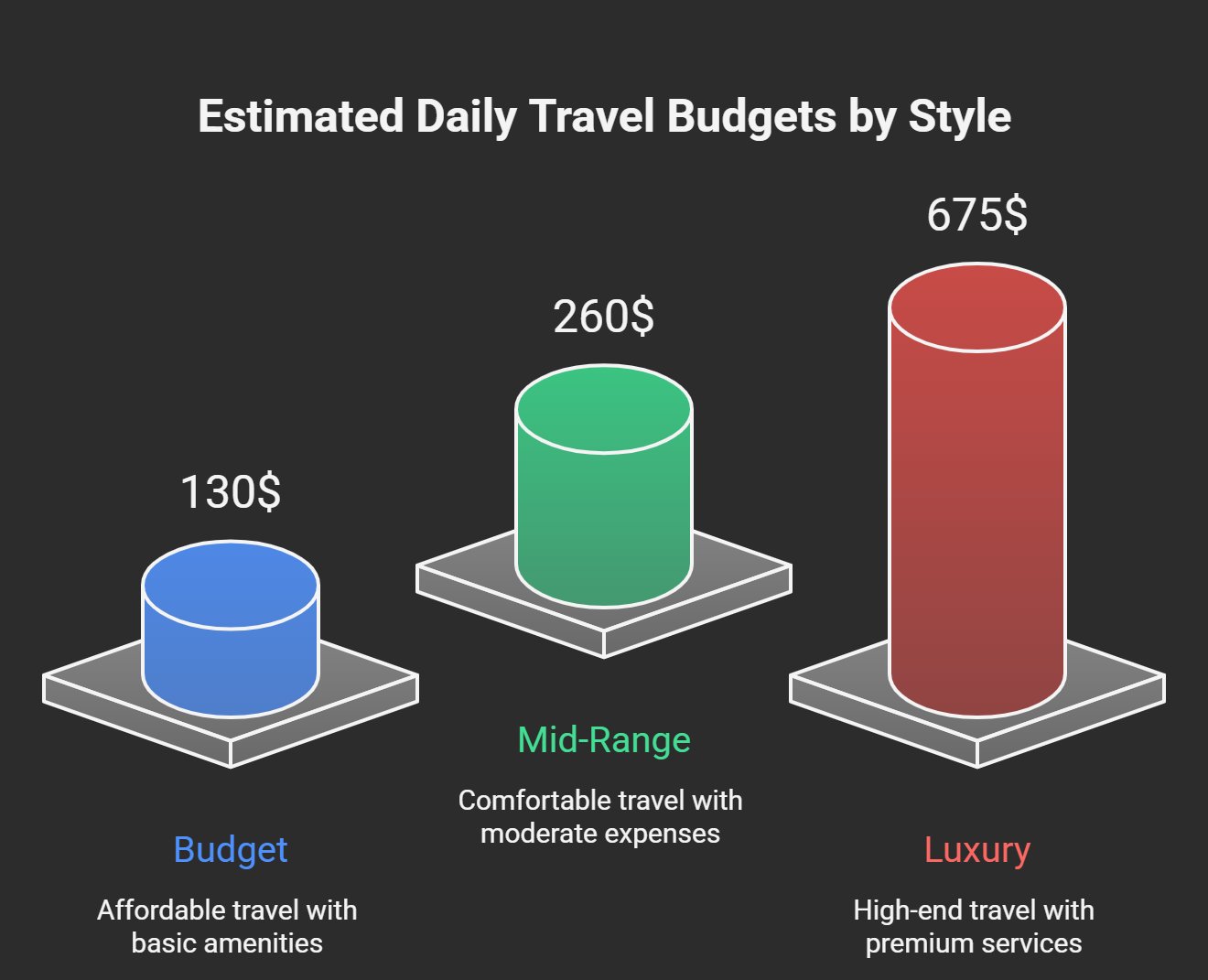
Based on these estimates, here’s what a typical trip may cost, excluding flights.
5-Day Trip
- Budget: $550–750
- Mid-range: $1,200–1,800
- Luxury: $2,800–4,500
7-Day Trip
- Budget: $800–1,050
- Mid-range: $1,800–2,800
- Luxury: $4,000–6,500
11-Day Trip
- Budget: $1,200–1,650
- Mid-range: $2,800–4,500
- Luxury: $6,000–10,000
5-Day Paris Itinerary
If you’re planning a shorter visit, focusing on the city’s major landmarks works well.
Day 1: Eiffel Tower, Champ de Mars, and a Seine River cruise
Day 2: Louvre Museum, Tuileries Gardens, Arc de Triomphe
Day 3: Notre-Dame Cathedral, Sainte-Chapelle, and Latin Quarter
Day 4: Day trip to Versailles
Day 5: Montmartre, Sacré-Cœur, and a final café stop before departure
7-Day Paris Itinerary (Balanced Travel)
A week allows more time to explore Paris at a relaxed pace. Highlights may include the Louvre, Versailles, Montmartre, the Latin Quarter, Luxembourg Gardens, and a leisurely Seine cruise.
11-Day Paris Itinerary (Slow Travel & Day Trips)
With more time, travelers can explore the city more deeply and visit nearby destinations. Popular additions include Giverny (Monet’s gardens), Canal Saint-Martin, Père Lachaise Cemetery, and charming local neighborhoods beyond the main tourist areas.
How to Save Money on Your Paris Trip
Here are a few simple ways to keep travel costs manageable:
- Travel during the shoulder season: Spring and early autumn often offer pleasant weather and lower prices.
- Book flights and accommodation early: Early bookings can help avoid last-minute price increases.
- Use public transport: Paris’ metro network makes it easy to explore the city affordably.
- Stay slightly outside tourist zones: Neighborhoods like Bastille or Belleville often offer more affordable accommodation while still being well-connected.
- Consider longer stays: Weekly accommodation rates can sometimes be more economical than nightly bookings.
Travelers who want to reduce expenses can also look at strategies like choosing local cafés over tourist restaurants or using metro passes instead of taxis. For more practical advice, see these Paris on a budget.
Best Time to Visit Paris for Budget Travelers

The shoulder season (April–May and September–October) is often considered the best time to visit, offering comfortable weather and fewer crowds than peak summer. The lowest travel prices typically appear during the winter months (January, February, and November), although temperatures are colder and some attractions may have shorter hours.
Peak summer months (June to August) remain the most expensive due to high demand and increased tourism.
Spring is one of the most popular seasons to visit, especially April, when the city’s gardens begin to bloom, and outdoor cafés become lively again. If you’re planning a spring visit, this April in Paris explains what to expect in terms of weather, packing, and seasonal activities.
Conclusion
As you can see, the cost of traveling to Paris from the US can vary widely depending on the season, length of stay, and travel style.
While flights and accommodation make up the largest portion of the budget, thoughtful planning can help travelers experience the city comfortably without overspending. Whether it’s a short five-day visit focused on iconic landmarks or a longer stay exploring museums, cafés, and nearby towns, Paris continues to reward travelers with unforgettable moments at every turn. Many visitors arrive in Paris with a long list of landmarks to see, but often leave remembering the smaller moments, a quiet walk along the Seine or a late evening café stop in a neighborhood square.
While flights and accommodation often make up the largest portion of a travel budget, choosing the right place to stay can make a big difference to both comfort and overall costs. Many travelers planning longer stays prefer staying in a serviced apartment in Paris, offering more space, kitchen facilities, and flexible stay options compared to traditional hotels.
FAQs
How Much Does A Trip To Paris Cost From The US?
How Much Should I Budget Per Day In Paris?
Is Paris An Expensive City To Visit?
What Is The Cheapest Time To Visit Paris?
How Much Does Food Cost In Paris Per Day?
Is Five Days Enough To Visit Paris?
How Much Does A 7-Day Paris Trip Cost?
- Budget: $800–$1,050 (excluding flights)
- Mid-range: $1,800–$2,800
- Luxury: $4,000–$6,500
Is It Cheaper To Stay In A Hotel Or An Apartment In Paris?