What You’ll Gain from This Blog
- Key dates and details for Chinese New Year 2026 in Singapore
- Where to see the best lantern displays, parades, and fireworks
- Must-visit festivals, temples, and cultural events during CNY
- Traditional Chinese New Year foods, customs, and red-packet etiquette
- Tips on where to stay in Singapore for a comfortable festive visit
The Chinese New Year 2026 is a fantastic time to visit Singapore, if you’re planning a trip anytime soon. This is perhaps the biggest Singapore showcase, celebrating a specific sign of the zodiac as per the lunar calendar. Also known as the Chinese Spring Festival or Chinese Lunar Festival, this will celebrate the Year of the Horse (zodiac animal).
It’s a fabulous mix of tradition and entertainment, with lanterns, delicious cuisine, events, lanterns, and more! Families reunite to honor their deities and ancestors, while wishing luck, hope, and prosperity for the coming year. The upcoming year begins on Feb 17, 2026, and it will be the Year of the Fire Horse.
If you’re planning to visit Singapore during this festive period, choosing the right place to stay plays a key role in enjoying the celebrations comfortably and at your own pace.
This multi-day festival is characterized by spring cleaning of homes, red lanterns, couples, and banners (red indicates joy, protection, and prosperity against evil spirits), reunion dinners with festive favorites, special parades and events, and giving red envelopes to youngsters as blessings (filled with money). Then there are dragon and lion dances, temple fairs, fireworks, and the Lantern Festival on the fifteenth day. Sounds exciting right? You bet!
Here’s the lowdown on the dates, the holidays, and other key details to enjoy a memorable time on your visit.
Key Highlights of Chinese New Year 2026 in Singapore
1. Chinatown’s Festive Decorations & Light-Up 2026
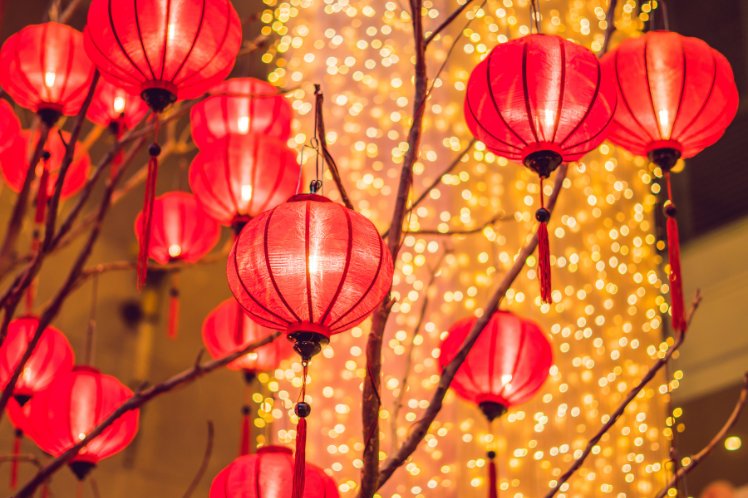
Chinese New Year celebrations truly come alive in Chinatown, making it one of the best places to experience the spirit of the Chinese Lunar Festival in Singapore. If you’re looking to soak in the atmosphere, explore street light-ups, and discover festive events for Chinese New Year 2026, Chinatown is where it all unfolds.
Chinatown Light-Up Highlights
During the festive period, especially around 17 and 18 February 2026, Chinatown is transformed with expansive light-up displays stretching across its streets. You’ll see:
- Traditional red Chinese New Year lanterns, often accented with yellow or gold trims
- Zodiac Horse-themed installations, celebrating the Year of the Horse
- The “Fu” (福) symbol, representing good fortune and blessings
- Red calligraphy couplets adorning doorways and shopfronts
- Intricate paper cuttings and festive motifs
- Citrus trees, symbolising wealth and prosperity
Lanterns play a special role in Chinese New Year traditions, symbolising hope, brightness, and auspicious new beginnings, while also being believed to ward off negative energy.
Festive Activities and Street Atmosphere
Beyond the visual spectacle, Chinatown hosts a variety of Chinese New Year activities, including cultural performances, community celebrations, and pop-up events. The area’s lively CNY market stalls are perfect for browsing festive decorations, zodiac merchandise, snacks, and traditional treats.
Food and Festive Finds
Chinatown is also a fantastic place to explore Chinese New Year cuisine. From traditional snacks and sweets to full festive meals at heritage eateries, there’s plenty to sample as you wander through the illuminated streets.
Why Visit Chinatown During CNY?
Chinatown’s festive decorations and light-up are more than just visual displays, they reflect tradition, symbolism, and community spirit. For visitors and locals alike, it’s one of the most memorable ways to experience Chinese New Year 2026 in Singapore.
2. The Chingay Parade 2026: A Spectacle of Dance and Music
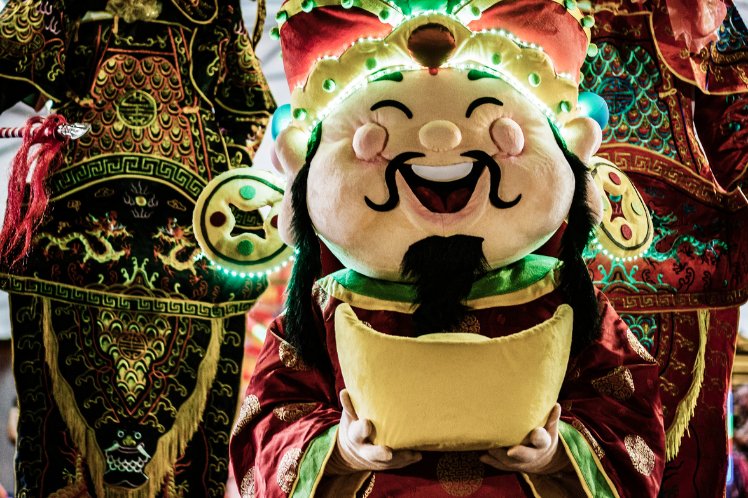
The Chingay Parade is one of the most anticipated highlights of the Chinese Spring Festival celebrations in Singapore. Held annually, it is a vibrant, multicultural street festival that brings together tradition, creativity, and community, making it a must-see event during Chinese New Year 2026.
What Is the Chingay Parade?
The Chingay Parade is a large-scale cultural parade rooted in Chinese New Year traditions, while also celebrating Singapore’s multicultural identity. The word Chingay comes from the Hokkien term referring to the art of costume and masquerade, a fitting description for the elaborate outfits and visual spectacle on display.
What You’ll Experience at Chingay 2026
The parade features a dynamic mix of traditional and contemporary elements, including:
- Spectacular floats inspired by Chinese zodiac themes, cultural symbols, and mythological stories
- Lion and dragon dances, performed to ward off evil spirits and invite good fortune
- Traditional costumes and masquerade, brought to life with colour, movement, and craftsmanship
- Cultural performances, including ethnic dances, martial arts displays, and choreographed processions
- Modern and global acts, reflecting unity, diversity, and the evolution of tradition
Cultural Meaning Behind the Parade
Every element of the Chingay Parade carries symbolism. The lion and dragon dances represent protection and prosperity, while the floats often depict stories of heritage, values, and collective hopes for the future. Together, the performances celebrate prosperity, harmony, and the preservation of cultural legacy.
Why You Shouldn’t Miss It
Chingay is more than a parade, it’s a celebration of identity and togetherness. Whether you’re drawn by the dazzling visuals, the music and movement, or the deeper cultural stories, the Chingay Parade 2026 offers an unforgettable way to experience Chinese New Year in Singapore.
3. River Hongbao Festival 2026
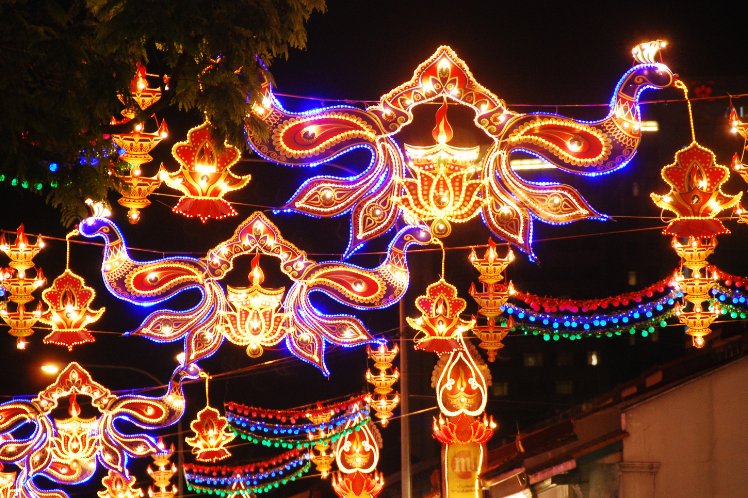
Now that you’re familiar with key Chinese New Year traditions, one celebration you shouldn’t miss is the River Hongbao Festival 2026, one of the most popular and family-friendly events during the Chinese Lunar New Year in Singapore.
What Is the River Hongbao Festival?
The River Hongbao is an annual Chinese New Year celebration that has been held since 1986. Over the years, it has become a major highlight of Singapore’s festive calendar, drawing families, locals, and international visitors alike.
What to Expect at River Hongbao 2026
The festival is best known for its spectacular lantern displays, where Chinese New Year lanterns are transformed into giant, illuminated figures inspired by zodiac themes, bringing the Year of the Horse to life in vivid colour and light.
Beyond the lanterns, the festival offers a wide range of experiences, including:
- Carnival games and interactive activities rooted in festive traditions
- Cultural exhibitions showcasing Chinese heritage and customs
- Live stage performances, from music to traditional showcases
- Fireworks displays that light up the night sky
- Street food stalls, serving festive snacks and local favourites
Why It’s Worth Visiting
River Hongbao isn’t just about visual spectacle, it’s about participation, celebration, and togetherness. Whether you’re strolling through glowing lantern trails, enjoying live entertainment, or sharing food with loved ones, the festival captures the joyful spirit of Chinese New Year.
For visitors travelling to Singapore during the Lunar New Year period, the River Hongbao Festival offers a complete festive experience in one place, making it a must-visit event during your stay.
4. Visiting Temples for Blessings
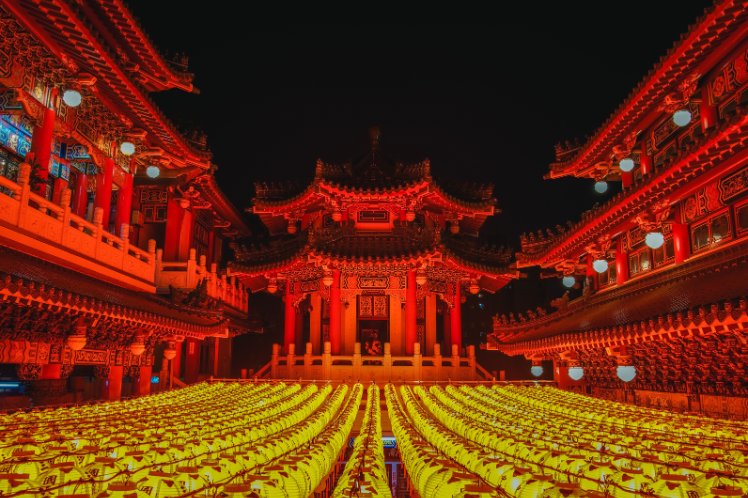
Learning all about Chinese New Year is bound to be fascinating once you’re in Singapore. And it’s incomplete without participating in one of the best and most heart-warming traditional Chinese New Year 2026 spring festival activities for families. Visiting temples in this period is a tradition to invite blessings of prosperity, good fortune, happiness, and health, while clearing out the ill fortunes of the previous year.
You’ll spot people thronging the temples, lighting incense sticks and joss paper, while leaving several symbolic offerings of fruits (banana for wealth and apples for safety) to honor their ancestors and family deities. Most people rush to be the first one to burn incense sticks whenever the temple doors start opening at midnight on the New Year’s Day. The one doing that is believed to get the highest blessings for the year ahead.
Ringing bronze bells is also part of the festival traditions, while you’ll also find visitors spinning the Wheel of Fortune at several temples. Many also toss coins into the bigger incense urn or the square hole, while going by the year of the zodiac, certain traditions may also apply. Many temples also have the Tai Sui or 60 deities who hold charge of the zodiac signs. People may perform these sip Tai Sui rituals to appease ruling deities and gain protection from misfortune. They write their date of birth and name on special offerings. The fifth day of the festival is the birthday of the God of Wealth. A visit to temples at this time to welcome the deity is also considered auspicious by most locals.
5. Traditional Chinese New Year Markets and Shopping Experiences
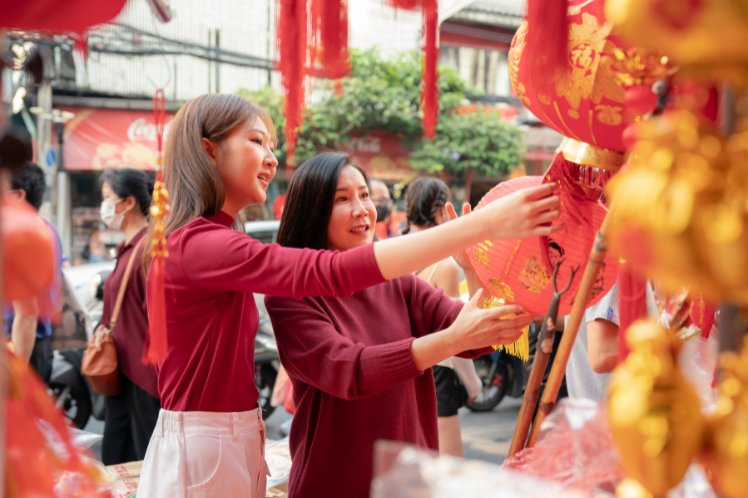
With the Year of the Horse (Chinese New Year 2026) symbolising energy, progress, and optimism, exploring Singapore’s traditional CNY markets becomes more than just a shopping trip, it’s a cultural experience.
Across the city, festive markets come alive in the weeks leading up to Chinese New Year. These markets are where families and visitors gather to purchase meaningful items that usher in good fortune, prosperity, and happiness for the year ahead.
What You’ll Find at CNY Markets
Traditional Chinese New Year markets are filled with symbolic and festive items, including:
- Red envelopes (ang bao) – Given to children and unmarried adults, these envelopes containing money represent good luck, blessings, and prosperity.
- Zodiac Horse merchandise – Figurines, ornaments, and collectibles celebrating the Year of the Horse.
- Festive decorations – Red lanterns, paper cuttings, calligraphy couplets, and door hangings believed to ward off bad luck.
- Lucky plants – Citrus trees and other auspicious greenery symbolising wealth and abundance.
- Seasonal treats – Traditional snacks, sweets, and festive foods enjoyed during CNY.
Best Places to Shop for Chinese New Year in Singapore
Some of the most popular Chinese New Year markets include:
- Chinatown: The heart of CNY celebrations, ideal for decorations, festive food, and traditional gifts.
- Bugis Street: Known for its lively annual CNY bazaars and affordable festive items.
- Waterloo Street: A cultural hotspot during CNY with pop-up stalls and festive displays.
- Tekka Centre: A great place for unique cultural finds and traditional food.
- Geylang Serai Market: Popular for festive ingredients and multicultural CNY specialties.
Why Visit These Markets?
Shopping at traditional Chinese New Year markets isn’t just about buying decorations, it’s about participating in customs that have been passed down for generations. Each item carries meaning, whether it’s inviting good fortune, strengthening family bonds, or welcoming a fresh start for the new year.
6. Cultural Performances and Lion Dance Displays
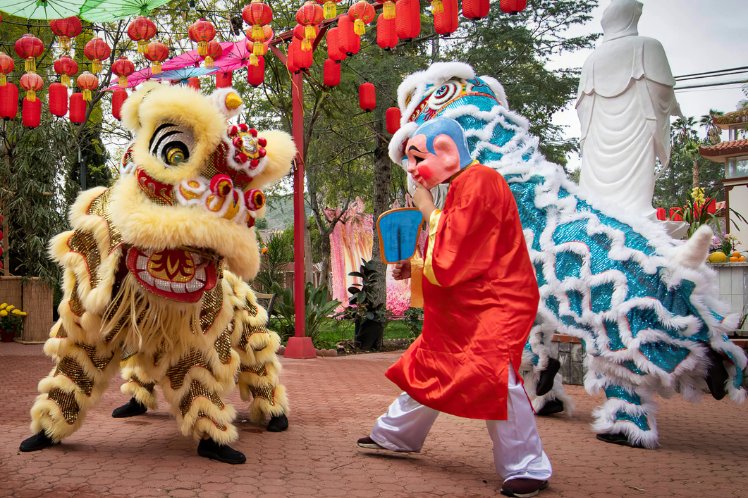
The lion dance is one of the most iconic and meaningful Chinese New Year traditions you’ll experience in Singapore. During the festive season, performances take place across the island, from Chinatown and community centres to shopping malls and public venues, often set against stunning lantern displays.
What Happens During a Lion Dance?
Lion dance performers wear vibrant, intricately designed lion costumes and move energetically to the rhythmic beats of drums, cymbals, and gongs. Each movement is carefully choreographed to bring the lion to life, symbolising:
- Chasing away evil spirits
- Welcoming good luck and prosperity
- Infusing strength, vitality, and unity into the community
The Red Envelope (Ang Bao) Ritual
One of the most anticipated moments in a lion dance performance is the “cai qing” ritual. A red envelope filled with money is hung high, often tied to leafy greens. The lion “eats” the greens and envelope, then spits out the leaves, an auspicious act believed to spread wealth, good fortune, and success to the surrounding space and its people.
Festive Decorations You’ll See
- Lion dance venues are usually beautifully decorated with traditional Chinese New Year elements, including:
- Red lanterns for happiness and prosperity
- Chinese knots symbolising unity and longevity
- Citrus trees representing wealth and abundance
- Calligraphy posters and couplets carrying blessings for the new year
Why Lion Dances Matter
Beyond the spectacle, lion dances are deeply rooted in tradition. They are performed to bless businesses, homes, and neighbourhoods, making them an essential part of Chinese New Year celebrations in Singapore.
7. Festive Foods: Dining Experiences and Special CNY Events
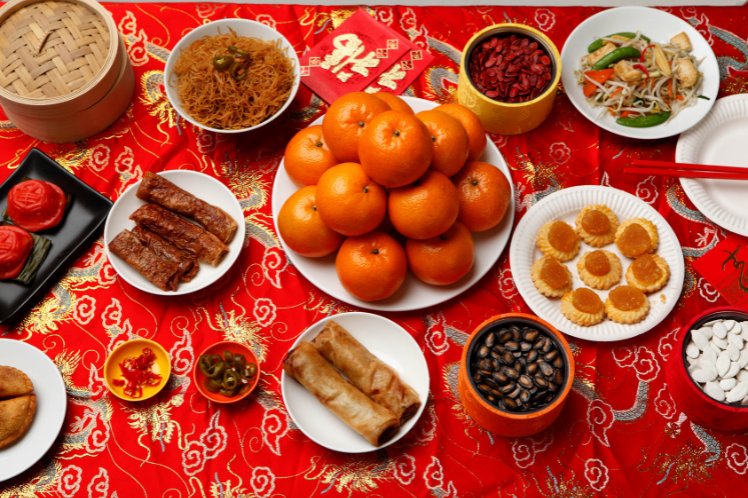
A visit to Singapore during Chinese New Year is incomplete without sampling its festive cuisine. In the lead-up to Chinese New Year 2026, restaurants and hotels across the city host special dining events, reunion dinners, and curated menus featuring symbolic dishes meant to usher in good fortune, prosperity, and abundance.
Must-Try Chinese New Year Dishes
Chinese New Year foods are deeply symbolic, and many are traditionally enjoyed during reunion dinners with family:
- Yusheng (raw fish salad): Tossed together as a group, this dish represents abundance, success, and rising prosperity.
- Nian Gao (sticky rice cake): Symbolises growth, progress, and better fortunes in the year ahead.
- Steamed fish: A classic dish representing surplus and wealth.
- Dumplings: Shaped like ancient gold ingots, they are associated with prosperity.
Other Festive Favourites
Beyond the reunion table staples, you’ll also find:
- Spring rolls (Chun Juan): Golden and crisp, symbolising wealth and prosperity.
- Longevity noodles (Changshou Mian): Served long and uncut to represent a long, healthy life.
- Glutinous rice balls (Tang Yuan): A symbol of family unity and togetherness, often enjoyed during family gatherings.
- Whole chicken: Represents family harmony, completeness, and long-lasting bonds.
Reunion Dinners and Festive Buffets
The Reunion Dinner on Chinese New Year’s Eve is the most important meal of the celebration, when families gather to share food and blessings. During this time, many hotels and restaurants in Singapore offer special Chinese New Year set menus and buffets that highlight these traditional dishes in both classic and modern interpretations.
Sweet Treats and Auspicious Fruits
Don’t miss out on:
- Pineapple tarts: Widely associated with prosperity and good luck.
- Good Fortune Fruits: Pomelos, oranges, and tangerines, symbolising wealth, happiness, and abundance.
Together, these dishes reflect the spirit of Chinese New Year, celebrating family, gratitude, and the hope for a prosperous year ahead.
8. The Red Packets Tradition (Ang Pao)
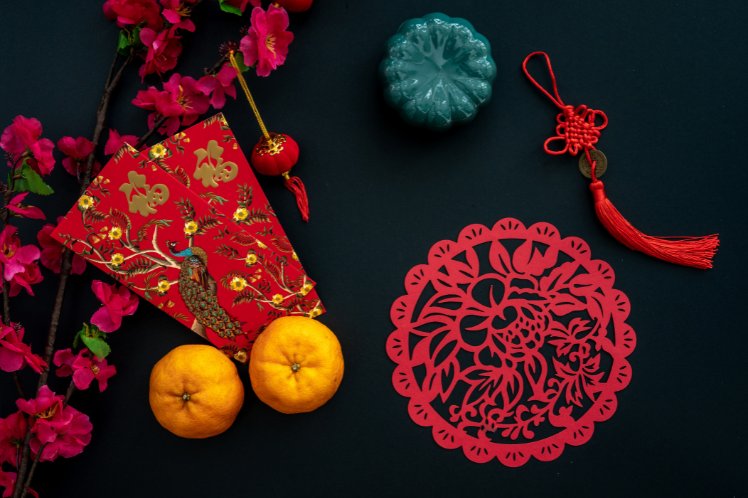
One of the things that you will appreciate during the festival in Singapore is the red envelopes Chinese New Year. Knowing about Chinese New Year 2026 red envelopes customs and meaning is bound to be a fascinating experience on your trip. Ang Pao or red packets are used to maintain the tradition of gifting money to children and unmarried adults to symbolize blessings, good luck, and also warding off evil spirits. The etiquette is not to open it in front of the giver of the envelope and also not to refuse the present.
The red color is symbolic of good luck, while packets often come with zodiac-themed designs as well. You can buy them at local festive markets for CNY and even online.
Chinese New Year Fireworks, Celebrations & Festive Displays in Singapore
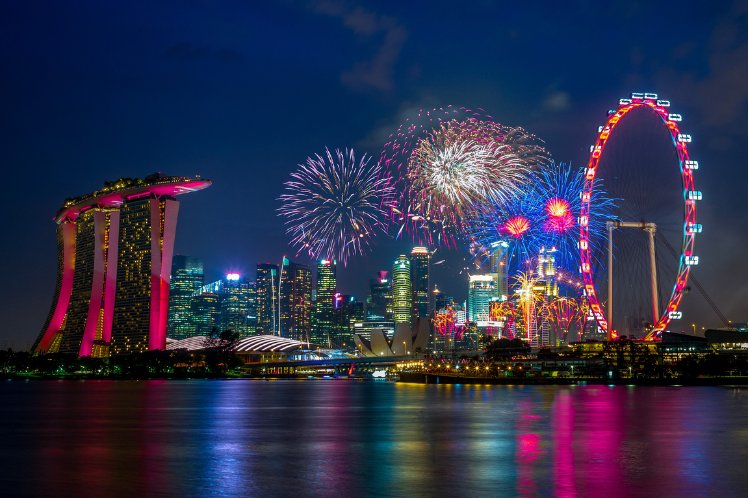
Chinese New Year fireworks and festive displays are a highlight of the holiday season in Singapore, adding colour, sound, and excitement to celebrations across the city. For Chinese New Year 2026, visitors can look forward to a vibrant mix of public festivities designed for families, couples, and cultural explorers alike.
Fireworks and Their Cultural Meaning
Fireworks have long been part of Chinese New Year traditions, originally believed to scare away evil spirits and welcome positive energy for the year ahead. While modern celebrations focus more on spectacle, public fireworks displays in Singapore continue to symbolise renewal, protection, and good fortune.
Lantern Displays and Zodiac Installations
Lantern displays are another key visual highlight during the festive season. Streets and public spaces are adorned with glowing lantern trails, intricate light sculptures, and zodiac-themed installations inspired by the Year of the Horse. These displays grow more elaborate as the celebrations progress toward the Lantern Festival, marking the joyful close of the Chinese New Year period.
Festive Performances and Family-Friendly Events
Alongside fireworks and lanterns, you’ll find a wide range of cultural activities taking place throughout the city, including:
- Dragon and lion dance performances
- Temple fairs and cultural showcases
- Festive street markets and bazaars
- Interactive family activities and photo spots
These events bring together tradition and modern celebration, making Chinese New Year in Singapore both culturally meaningful and visually memorable.
Whether you’re visiting for the atmosphere, photography, or cultural immersion, the fireworks and festive displays offer a beautiful way to experience the spirit of Chinese New Year 2026 in Singapore.
Staying in Singapore During CNY: Comfort With Serviced Apartments

Choosing the right accommodation can make a real difference when visiting Singapore for the Chinese Lunar New Year. With celebrations happening across the city, staying somewhere comfortable, family-friendly, and well-located allows you to enjoy the festivities without long travel times or crowded commutes.
For many visitors, serviced apartments in Singapore are a practical and appealing option during the festive season.
Why Serviced Apartments Are Ideal for CNY
Serviced apartments offer the convenience of home alongside hotel-style services, making them especially suitable for families and longer stays. Key benefits include:
- Spacious layouts for families and group travel
- Fully equipped kitchens, ideal for preparing your own Chinese New Year meals
- All-inclusive pricing, often covering utilities, Wi-Fi, and housekeeping
- Flexible short- and long-term stays, perfect for festival travel
- Privacy and comfort, with space to gather, relax, and celebrate together
These features allow you to enjoy reunion-style meals, host friends or relatives, and take breaks from the festive crowds when needed.
Best Areas to Stay During Chinese New Year
Some of the most convenient and popular neighbourhoods for festival visitors include:
- Chinatown: Ideal for lantern displays, markets, and cultural performances right at your doorstep.
- Changi: A quieter option with excellent connectivity and easy airport access.
- Tanjong Pagar: Close to Chinatown, with easy access to cultural sites, festive markets, and Chinese New Year celebrations.
- Marina Bay: Well-positioned for major celebrations, fireworks, and iconic city views.
A Comfortable Base for Festive Celebrations
Staying in a serviced apartment gives you the flexibility to explore Singapore’s Chinese New Year festivities at your own pace, while still enjoying the comfort of a private space to cook, gather, and unwind with family and friends.
Conclusion
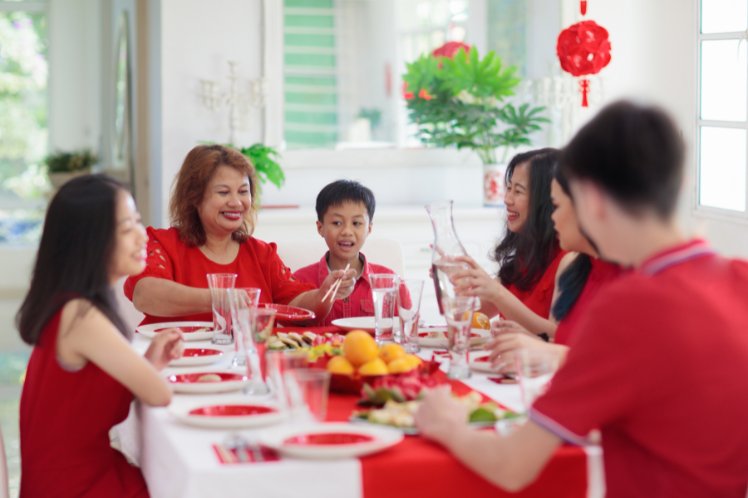
As you can see, Singapore offers a fascinating blend of traditions, parades, lantern displays, delicious cuisine, special events, lion dances, fireworks, and festive markets during this time. The Chinese New Year 2026 is going to be a firecracker of an event that you will love experiencing, since it combines top-class activities and experiences with deep cultural legacies for you to savor. So, without further delays, it’s time to plan your trip and book your apartment right away for unforgettable experiences in Singapore.
FAQs
When is Chinese New Year 2026?
What Chinese animal represents 2026?
What is the appropriate way to greet a Chinese person during Chinese New Year?
Why do people give red envelopes on Chinese New Year?
When should I visit Singapore for the Chinese New Year/Lantern Festival?