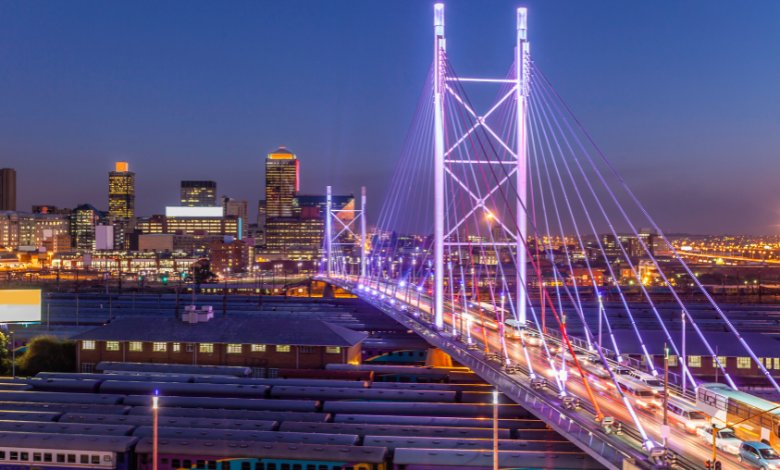
What You’ll Gain From This Johannesburg Travel Guide
- The best things to do in Johannesburg beyond the usual tourist spots.
- A first-timer-friendly itinerary covering Soweto, Maboneng, Constitution Hill, markets, food, and nightlife.
- Honest local travel tips on safety, transport, where to stay, and how to get around Joburg confidently.
- The best neighbourhoods to stay in Johannesburg include Rosebank, Sandton, Melville, and Melrose.
- Seasonal advice on the best time to visit Johannesburg for weather, sightseeing, and fewer crowds.
First-time travellers to South Africa often overlook Johannesburg, but the city offers some of the country’s most powerful cultural experiences. This is a city shaped by history, creativity, and constant reinvention, beneath the fast-paced energy and striking skyline.
From the history of Soweto and Constitution Hill to rooftop bars in Maboneng and wildlife parks just outside the city, Joburg blends creativity, history, and urban energy in a way few African cities can.
For first-time visitors, Joburg can feel intense, exciting, and endlessly rewarding, especially when you know where to go.
This guide covers everything a first-time visitor needs: the best things to do in Johannesburg, which neighbourhoods to stay in, how to get around safely, when to visit, and the practical details that make the difference between a stressful trip and a remarkable one.
Top Activities in Johannesburg for First-Timers
Johannesburg is where one moment you’re exploring the legacy of Apartheid and the next, you’re browsing contemporary African art, listening to live jazz, or dining at one of the city’s trendiest restaurants.
You need to know what the best things are to do in Johannesburg, and you will be set for an experience of a lifetime.
Apartheid Museum
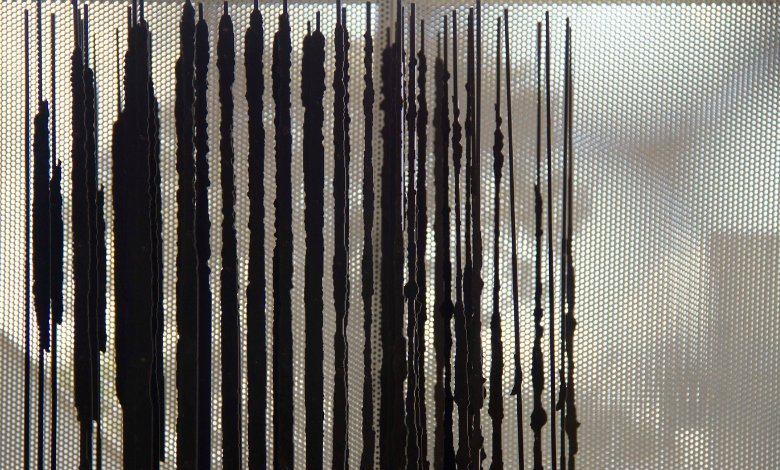
No single experience in Johannesburg is more important for understanding South Africa than this one. Opened in 2001, the Apartheid Museum offers an extensive and heart-touching account of the Apartheid period and the struggles of the people back then.
The exhibits, unique as they are, move through the rise and fall of apartheid using film footage, personal testimonies, documents, and reconstructed environments that make an abstract political history feel immediate.
- Best For: Every first-time visitor
- Recommended Time: 3–4 Hours
- How to get there:
Soweto: Orlando, Vilakazi Street & the Hector Pieterson Memorial
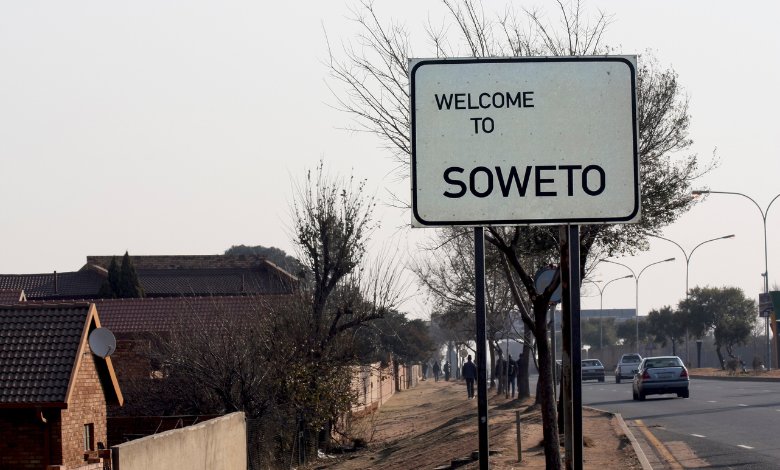
No first trip to Johannesburg is complete without spending time in Soweto, the city’s most historically significant township. It's Vilakazi Street is where two Nobel Peace Prize winners, namely Archbishop Desmond Tutu and Nelson Mandela, once lived.
Moving along further, the Hector Pieterson Memorial and Museum pays tribute to the 1976 Soweto Uprising. Soweto today is a sprawling, layered place with excellent restaurants, craft beer spots, and a local energy that you just can not miss.
- Best for: History, culture, and understanding modern Johannesburg
- Recommended Time: half day to full day
Constitution Hill
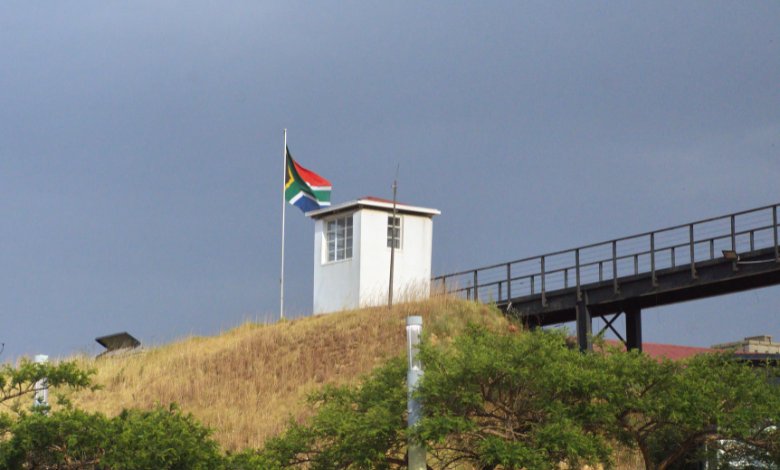
Constitution Hill is one of those rare places where brutal history and genuine hope occupy the same ground. A previous prison complex that is now home to the Constitutional Court of South Africa, it offers incredible experiences as you walk through its halls.
And when you consider that Mahatma Gandhi and Nelson Mandela were both imprisoned here, the historical weight of this landmark seems pretty clear. Guided tours take you through the Old Fort prison, the women's gaol, and Number Four, the section reserved for Black prisoners, where conditions were deliberately inhumane.
- Best for: History and architecture buffs
- Recommended Time: 2–3 hours
- How to get there:
Maboneng Precinct
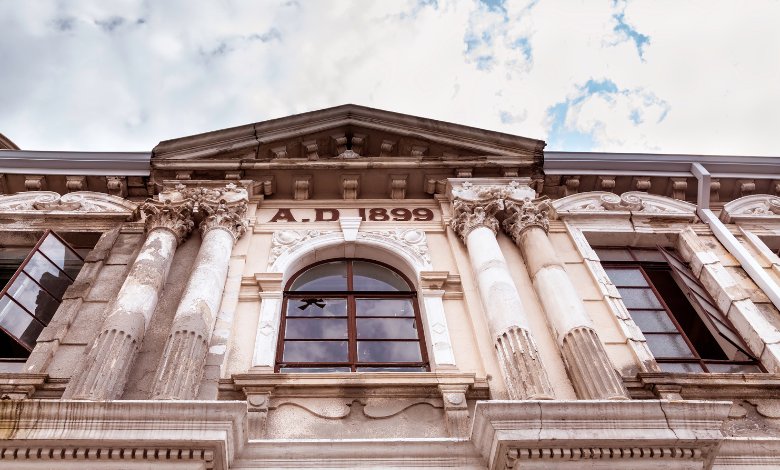
The Maboneng Precinct is a cultural hub offering fabulous art galleries, independent restaurants, street art, and weekend markets.
It's one of the best places to eat in Johannesburg. Do not forget to try the rooftop restaurants for contemporary South African cuisine, or explore the street-level stalls for biltong, boerewors rolls, and bunny chow. The Arts on Main complex anchors the neighbourhood and is worth a wander on its own.
- Best for: Food, art, and contemporary Johannesburg culture
- Recommended Time: 2–4 hours
Neighbourgoods Market
The Neighbourgoods Market is one of the best places to experience Johannesburg’s creative energy, from local street food to independent fashion labels. The market is a great glimpse into the local culture in Joburg.
Held in Braamfontein, Johannesburg, the Neighbourgoods Market is a famous Saturday market from around 9 AM to 3 PM/6 PM located in a two-story brick warehouse.
Stalls offer everything from speciality coffee and artisan bread to handmade leather goods, independent fashion, and street food from across South Africa and the continent. The young and creative communities gather here as well, making it a great spot for some people watching.
- Best for: local food, design, and weekend atmosphere
- Recommended Time: 2–3 hours
The Mining District (Main Street)
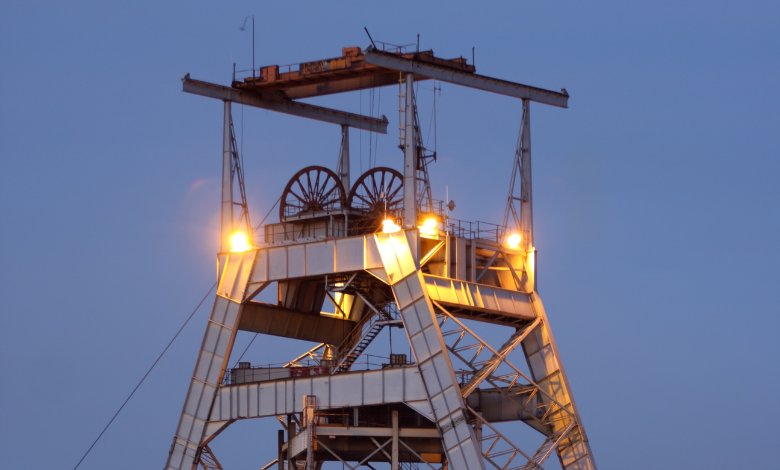
The Mining District is one of the best places that you can explore in Johannesburg. It is a big open-air museum that traces the history of mining in the region.
The entire zone traces the city's origins as a gold rush town in the late 1880s, and it's best explored on foot. Here’s what to look for when in the Mining District, Johannesburg:
- The former headquarters of the Anglo-American Company is open to explore and is inspired by the League of Nations complex based in Geneva. It now houses urban gardens, fountains, and sculptures by prominent South African artists, including a well-known bronze herd of leaping impalas.
- The Magistrate's Court is another monumental building with a Nelson Mandela statue outside, depicting him shadow-boxing.
- Several relics of the earlier gold rush, including stamp presses, mining headgear, covered wagons, and rail locomotives.
- Chancellor House, the former offices of Mandela & Tambo Attorneys, one of South Africa's first Black-owned law firms.
- Best for: Architecture and gold rush history
- Recommended Time: 1–2 hours on foot
Johannesburg's Art Gallery Scene
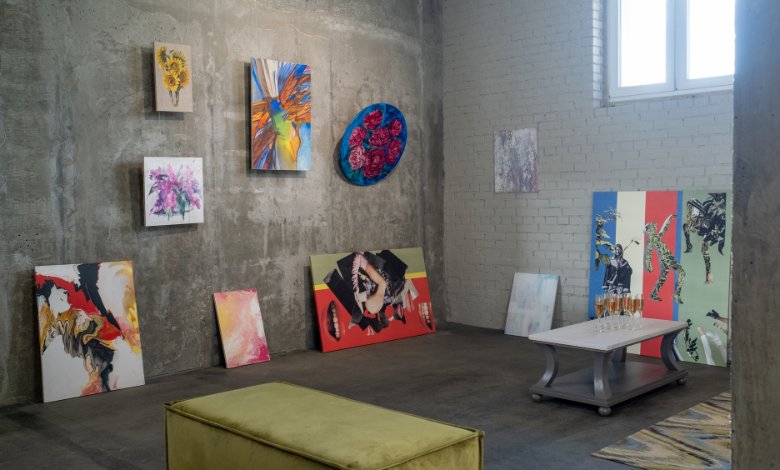
Johannesburg has one of the most serious art gallery scenes in Africa, concentrated in the Rosebank and Parkwood neighbourhoods.
The Everard Read Gallery, with its amazing collection of modern and historical pieces and The Goodman Gallery, internationally regarded, represent major names across Africa and the diaspora. Another key stop is the Kim Sacks Gallery with its traditional African artefacts and pots, while the Melrose Gallery offers diverse African contemporary masterpieces for you to check out.
Most galleries stay open from Tuesday to Saturday, with many offering free entry (some events may have small fees). The Johannesburg Contemporary Art Foundation is also a must-visit for its special exhibitions.
- Best for: contemporary and historical African art
- Recommended Time: 1–2 hours per gallery
Melville: Food, Music & Bohemian Energy
Melville sits northwest of the centre and is the coolest neighbourhood in the city for years. It is also one of the more walkable neighbourhoods of Johannesburg. 7th Street is the main drag, lined with bars, restaurants, bookshops, and live music venues that draw a mixed crowd of students, artists, and long-time locals.
Spending a Friday or Saturday evening is one of Joburg's more authentic social experiences. Traditional African music, rock, and jazz all feature regularly here.
- Best for: nightlife, live music, and a more relaxed pace
- Recommended Time: evening
Walter Sisulu National Botanical Garden
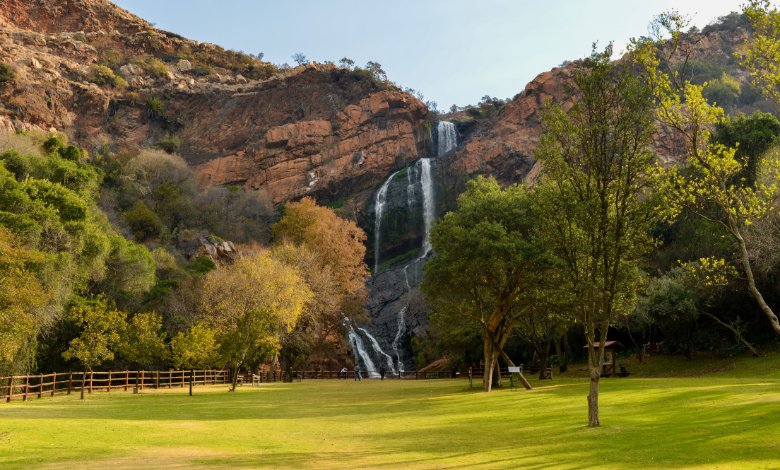
Located in Roodepoort, about 20 minutes west of central Johannesburg, the Walter Sisulu National Botanical Garden is the green escape most visitors overlook. The garden is anchored by a waterfall and the rocky Witpoortjie ridge, one of the best places in Gauteng to spot the Verreaux's Eagle, a large raptor that nests on the cliffs.
The birdwatching is excellent year-round, and over 600 plant species are also found here. You can even take a picnic here and enjoy the natural paradise to your heart’s content.
- Best for: nature, birdwatching, and a quiet half-day
- Recommended Time: 2–3 hours
- How to get there:
Melville Koppies Nature Reserve
Melville Koppies Nature Reserve, sitting above the Melville neighbourhood, is a nature reserve containing rocky ridges, indigenous plant life, and archaeological sites that predate the city by thousands of years.
This tranquil getaway from the city buzz has gorgeous views to savour from the top after a short climb. Some of the sections require a guided walk, so check in advance for scheduled tours.
- Best for: hiking and city views
- Recommended Time: 1–2 hours
Johannesburg Zoo
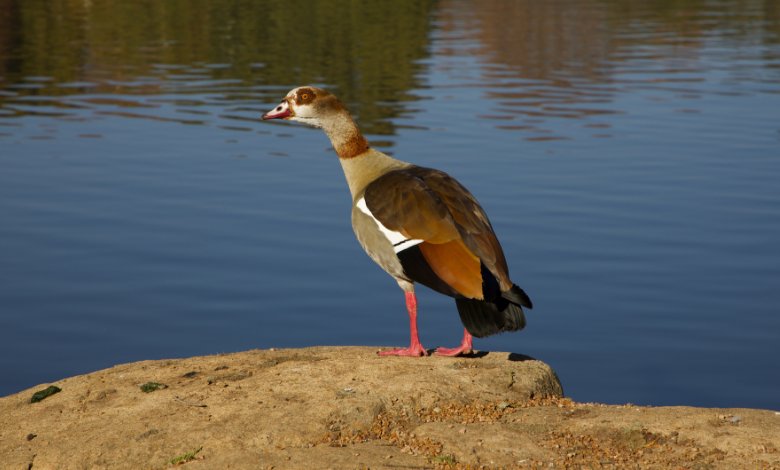
Johannesburg Zoo is home to over 320 species, including big cats and primates and a large collection of African wildlife. The zoo is the oldest in the country and provides a nice family day out idea.
It sits in the northern suburb of Parkview, close to the Rosebank hotel and restaurant corridor, making it easy to combine with lunch in the area.
- Best for: families with children
- Recommended Time: 3–4 hours
- How to get there:
Gold Reef City Theme Park
The Gold Reef City Theme Park is a must-visit for its thrilling rides, including the popular Anaconda roller coaster. Built on the site of an actual gold mine dating to the 1890s, it combines a theme park with a historical attraction.
Check out the 4D cinema for an incredible experience, where there are several interesting activities available, such as descending into a working mine shaft and understanding firsthand how gold was extracted from the Witwatersrand reef.
It will give you a fascinating glimpse of the city’s golden past, with the theme park being built on an ancient gold mine dating back to the late 1800s.
- Best for: families and history enthusiasts
- Recommended Time: half a day
- How to get there:
Best Areas to Stay in Johannesburg for First-Time Visitors
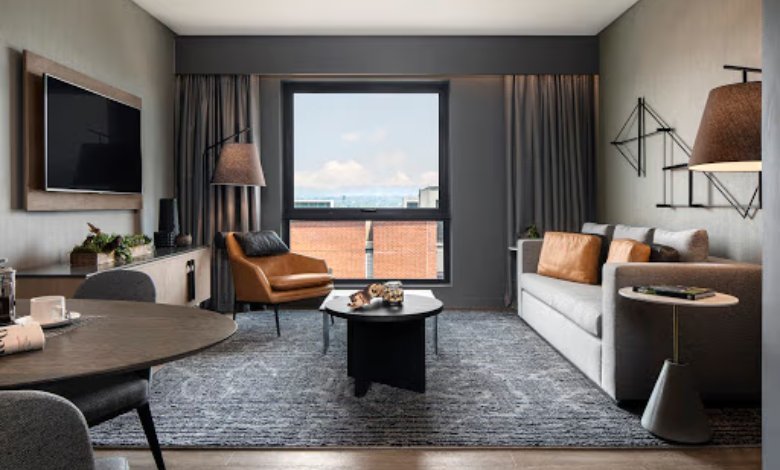
Where you stay in Johannesburg significantly affects your experience. The city is spread out and not walkable in the way European or Cape Town visitors might expect. So, your accommodation's neighbourhood determines what's easily accessible without a car.
- Sandton: The financial and commercial hub of modern Joburg. Safe, polished, and well-connected via the Gautrain. Sandton has an entirely contained lifestyle; everything from restaurants to galleries is within easy reach. Good base for business travellers and those who want maximum convenience and security. Though it can feel isolated from authentic Joburg culture.
- Rosebank: Rosebank sweet spot for most first-time visitors. It is close to Sandton but with a more neighbourhood feel. Filled with good restaurants, independent galleries, proximity to the Zoo Lake, and easy access to Parktown's historical architecture. The Gautrain stops here too, and it is one of the most accessible areas of the city for those without a car.
- Melrose: Quieter and more residential than Rosebank, Melrose sits just south and offers well-run boutique hotels and guesthouses. A good choice if you prefer smaller properties and a calmer base.
- Melville: The best neighbourhood for those who want character over convenience. Melville offers independent restaurants, live music, and a genuinely local atmosphere. It is slightly further from major attractions but worth it for the experience, and better suited to self-drive visitors.
Best Time to Visit Johannesburg
The best time to visit is from May to August. Since Johannesburg sits at 1,750 metres above sea level, summers here are warm and wet, and winters are mild and extremely dry with cold nights.
- May to August: Best Overall
Joburg's winter months are the most comfortable for sightseeing. Days are clear, sunny, and warm (18–22°C); nights drop sharply, sometimes to near-freezing, so pack a jacket. No rain at all.
- September to October: Very Good
Spring brings warming temperatures, some wildflowers, and the start of green vegetation before the rains arrive. A good shoulder period with fewer crowds than the peak winter months.
- November to March: Workable but Wetter
Summer in Joburg means afternoon thunderstorms, and mornings are sunny and warm. The rains make the city lush and green, and prices are lower, but outdoor activities require timing around the weather. December to January coincides with South African school holidays, which means some attractions are busier.
Johannesburg Travel Tips for First-Time Visitors
It is best to know all the tips while visiting any city for the first time. So here are the Johannesburg travel tips every first-time traveller needs to know.
- South Africa uses the Type M three-pin plug. Bring an adaptor; it can come in handy, as most hotels have universal adaptors, but not all.
- The South African Rand (ZAR) is the currency. As of 2025, the exchange rate is favourable for most international visitors. ATMs are widely available, but use those inside malls or banks rather than free-standing machines on the street.
- A valid yellow fever certificate is required if you're arriving from certain countries. Check entry requirements for your nationality before booking.
- Travel insurance that covers medical evacuation is strongly recommended. South Africa's private hospitals are excellent, as its public system is not for tourists.
- Keep your phone out of sight on the street. Opportunistic phone theft happens at traffic lights and in crowds.
- Tip consistently: 10–15% in restaurants, R20–50 for hotel porters, R10–20 for car guards and the informal parking attendants.
- Joburg's restaurants and bars skew late by South African standards. Dinner before 7 PM often means an empty restaurant; 8–9 PM is prime time.
- Many attractions close on Mondays. Check hours before building your itinerary.
Conclusion
Johannesburg is not a city that flatters at first glance; it can feel intense, sprawling, and uneven. But beneath that surface is one of Africa's most layered and intellectually alive cities, shaped by a history that still matters and a creative energy that refuses to stand still.
Whether you spend your time in Soweto understanding what apartheid actually meant on a human level, discovering contemporary African art in Maboneng, or simply sitting on a rooftop in Melville watching the city move, Joburg tends to stay with you in ways that gentler destinations don't.
For first-time visitors to South Africa, do not rush. Plan it thoroughly and take your time with the attractions in Johannesburg.
FAQs
1. Is Johannesburg worth visiting?
Absolutely. Most travellers treat Joburg as a stopover; that's a mistake. The Apartheid Museum, Soweto, and Maboneng alone justify two to three dedicated days. The food and arts scenes will genuinely surprise you.
2. Is Johannesburg safe for tourists?
It requires awareness, not fear. Use Uber instead of walking at night, stay in Rosebank or Sandton, avoid displaying expensive items publicly, and book guided tours for Soweto. Millions visit each year without incident.
3. Is Johannesburg safe for solo female travellers?
Yes, with the right precautions. Stick to tourist-friendly neighbourhoods, use Uber exclusively, avoid walking alone after dark, and book guided tours rather than exploring unfamiliar areas independently. Thousands of solo female travellers visit Joburg every year without problems.
4. How many days do you need in Johannesburg?
Three to four days is the sweet spot. Two days cover the Apartheid Museum and Soweto. One day is only viable if you skip everything else and focus exclusively on those two.
5. What is Johannesburg known for?
The birthplace of the anti-apartheid movement. Joburg is where Nelson Mandela lived, practised law, and was imprisoned. It's also South Africa's economic engine, built on gold in the 1880s and still running at full speed.
6. How do I get from OR Tambo Airport into the city?
Take the Gautrain; it connects the airport to Sandton and Rosebank in roughly 15 minutes. Clean, safe, and affordable. Uber works too but takes longer in peak traffic. Avoid unlicensed taxis outside the terminal.
7. When is the best time to visit Johannesburg?
May to August. Joburg's dry winter brings clear skies, warm days around 20°C, and cold nights. No rain, excellent visibility for day trips, and fewer crowds than the summer holiday period.