What You’ll Gain from This Blog
- Learn surprising and lesser-known facts about Tokyo
- Understand what makes Tokyo unique compared to other global cities
- Discover cultural quirks, traditions, and everyday realities of life in Tokyo
- Get practical insights that help first-time visitors know what to expect
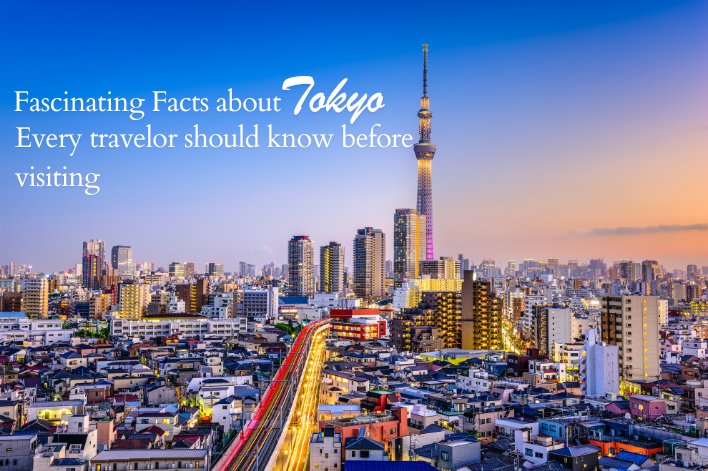
Tokyo is a city of contrasts, where tradition meets technology and bustling urban life coexists with quiet shrines. Whether you’re a first-time visitor or a seasoned traveler, Tokyo always has something new to reveal. From its record-breaking train system to the secret gems tucked away in its neighborhoods, here are 12 surprising facts about Tokyo that will change the way you see the city.
Quick Facts About Tokyo, Japan
Here are some interesting facts about Tokyo that you should know about.
- The Greater Tokyo Area is home to more than 38 million individuals, making it the biggest urban agglomeration in the world.
- The Tokyo Metro and Japan Railway are famous for their punctuality with delays tracked in seconds.
- The Tokyo Skytree stands at 634 meters, making it the tallest structure in Japan.
- Tokyo frequently ranks as one of the world’s safest cities due to its lower crime rates.
- It is a leading business hub and the world’s second-largest metropolitan economy.
- Tokyo is the number one global city with the highest number of Michelin-starred restaurants.
12 Interesting Facts About Tokyo
Here are 12 interesting facts about Tokyo that will give you deeper insights into the city and why it’s ideal for satiating your curiosity.
1. Tokyo Is the Largest Metropolitan Area on the Planet—and You’ll Feel It
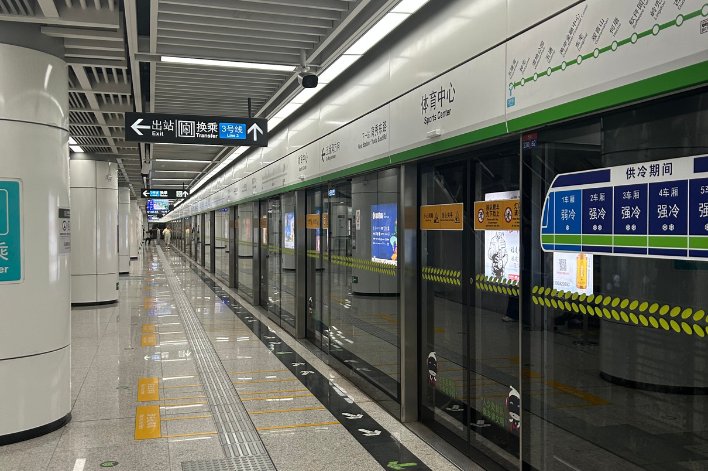
Tokyo’s Greater Metropolitan Area is not just the capital of Japan, it is the largest urban area on Earth, home to over 38 million residents. This vast expanse of interconnected neighborhoods operates like a finely tuned machine. With advanced infrastructure, efficient public transport, and a high standard of living, Tokyo isn’t just a city; it’s a super-city, where the economy is so powerful it rivals that of entire nations.
Pro Tip: If you’re planning to explore, consider breaking down your visit into smaller districts, each with its own vibe and attractions, from the tech-heavy Akihabara to the peaceful Asakusa.
2. Tokyo’s Train Network Runs on Precision You Can’t Ignore
Tokyo’s reputation for punctuality extends to its train network, which is famous for operating on time, often within seconds. This level of precision is something many travelers admire, as it ensures you can plan your day down to the minute. A delay of more than a minute is considered rare, and the city even provides official delay certificates for commuters who experience a late train!
Travel Tip: Use apps like Navitime or Google Maps to track real-time updates on train schedules to ensure you’re on track.
3. Shinjuku Station Is the World’s Busiest—and It Can Swallow You Whole
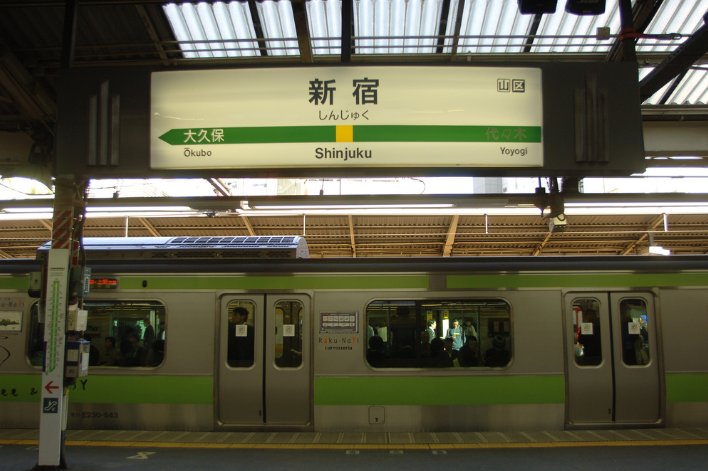
Shinjuku Station is not just a transport hub; it’s a mini-city. With over 3.8 million passengers passing through it every day, it holds the title of the busiest railway station in the world. Beyond transportation, Shinjuku is home to massive shopping malls, department stores, dining options, and entertainment complexes, all under one roof.
Insider’s Tip: If you’re navigating Shinjuku Station, use its color-coded signposts and plan ahead to avoid rush-hour chaos. Try visiting early in the day when the station is less crowded, or grab a meal in one of the station’s famous food courts.
Also Read: 15 Best Places to Stay in Tokyo for Tourist
4. Tokyo Was Once Edo—and That Past Is Still Hiding in Plain Sight
Before it became the bustling metropolis it is today, Tokyo was known as Edo. It was a small fishing village until it became the capital of Japan in the early 17th century, thanks to the Tokugawa Shogunate. The city grew rapidly, and much of its urban planning, including its street layout and water systems, was ahead of its time.
Fascinating Fact: The Meiji Restoration in 1868 marked the formal shift of Japan’s capital from Kyoto to Tokyo. Even today, you can find remnants of old Edo in places like Asakusa, where the Senso-ji Temple stands as a reminder of Tokyo’s ancient roots.
5. Tokyo’s Safety Isn’t an Accident—It’s Cultural
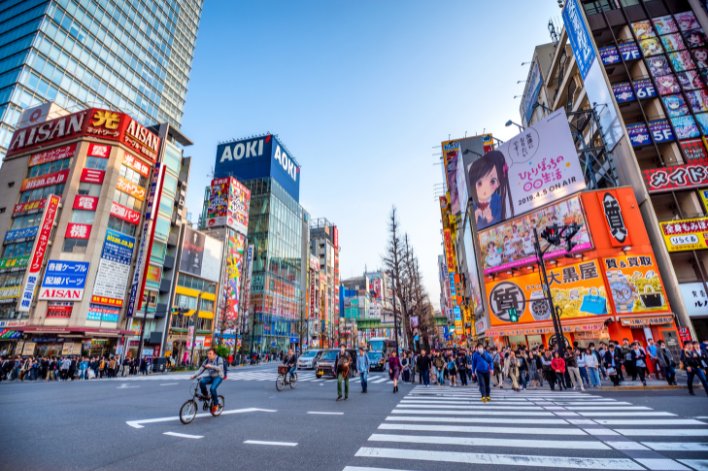
Tokyo is widely recognized for its low crime rates and high safety standards. Many visitors are surprised by the feeling of security that pervades the city, even late at night. There are well-established crime prevention networks, and Tokyo is known for its community vigilance, where neighbors look out for one another.
Safety Tip: While Tokyo is incredibly safe, always practice basic travel precautions, such as staying aware of your surroundings and keeping your belongings secure in crowded areas.
6. Tokyo Has More Michelin Stars Than Any City on Earth
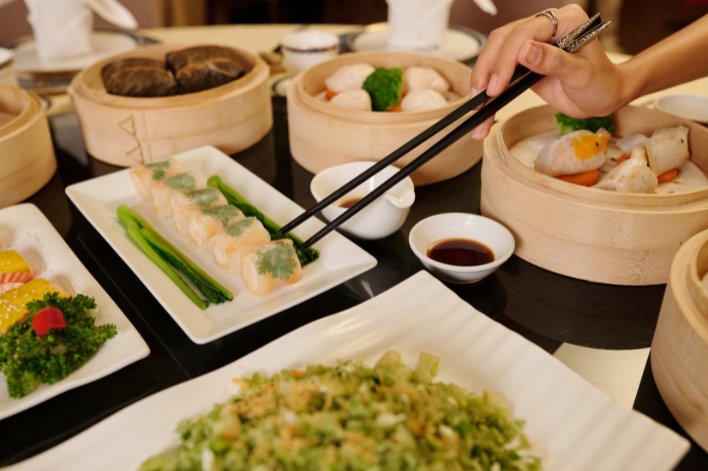
With over 200 Michelin-starred restaurants, Tokyo holds the title of having the most Michelin-starred eateries in the world. The city’s diverse food scene spans everything from sushi and kaiseki (traditional multi-course meals) to French cuisine and fusion creations.
Food Lover’s Tip: Don’t miss out on the Depachika food halls, underground dining complexes where you can taste a variety of gourmet foods at much more affordable prices than you’d expect from Michelin establishments.
Also Read: Best Places to Eat Japanese Food in Tokyo
7. Yes, You Can See Mount Fuji From Tokyo—But Only If You Know When
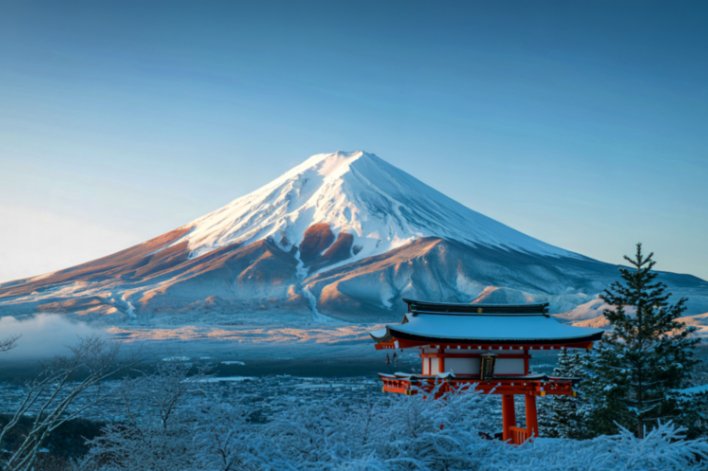
On rare, crystal-clear mornings during winter, it’s possible to catch a glimpse of Mount Fuji from Tokyo, especially from Shibuya Sky or the Tokyo Skytree. The towering volcano stands as an iconic symbol of Japan and can be seen from a distance, reminding visitors of the city’s proximity to nature.
Photography Tip: Early mornings in December to February are the best times to spot Mount Fuji. Head to the Tokyo Metropolitan Government Building in Shinjuku for one of the clearest views.
8. Tokyo’s Vending Machines Are Everywhere—and They’re Not Just for Snacks
With one vending machine for every 23 people, Tokyo’s vending machine culture is unmatched. These machines offer everything from hot drinks and snacks to fresh fruit and even luxury goods. You’ll find them in the most unlikely places, like remote streets, train stations, and even tucked away in quiet alleys.
Fun Fact: Some vending machines even sell fresh eggs, which are used by locals for making breakfast dishes like tamago (Japanese omelet).
9. Tokyo Skytree Isn’t Just Tall—It Changes How You See the City
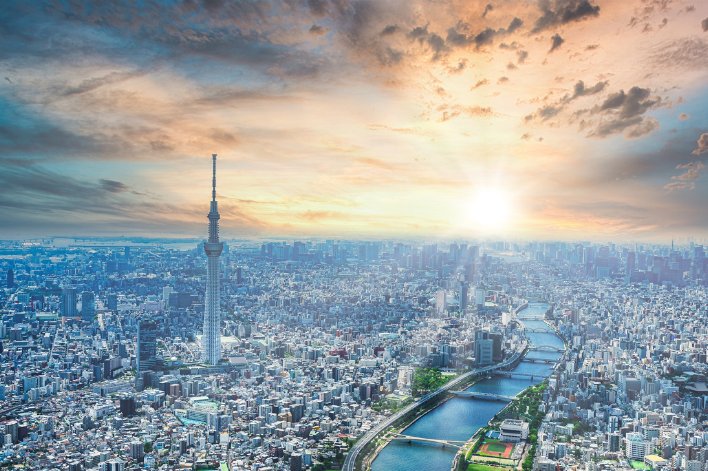
Standing at 634 meters (2,080 feet), Tokyo Skytree is not only the tallest tower in Japan but also the tallest in the world. Visitors can head up to the Tembo Deck for 360-degree views of the city and, on clear days, all the way to Mount Fuji. Its observation decks offer an unforgettable experience, including the famous glass-floored Skywalk.
Experience Tip: Try visiting the Skytree in the evening for a stunning view of the city lit up, or plan to go in the morning for a quieter, more peaceful experience.
10. Tokyo’s Neighborhoods Feel Like Separate Cities
Each of Tokyo’s neighborhoods has a distinct vibe, from the youthful energy of Shibuya to the luxurious shopping in Ginza. Akihabara is a haven for tech lovers, while Asakusa offers a glimpse into the city’s traditional past. These areas are self-contained microcosms, each offering something unique for travelers.
Travel Tip: Allocate a full day to each neighborhood to truly immerse yourself in its culture. Try local eateries and explore hidden gems to get the most authentic experience.
11. Depachika Food Halls Are Tokyo’s Best-Kept Secret
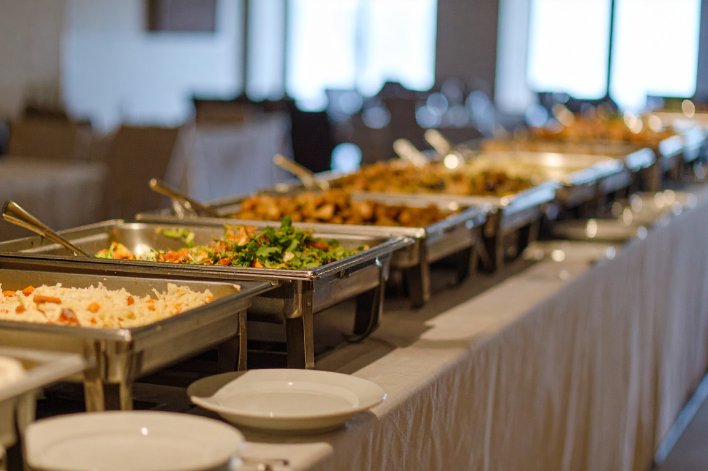
Tokyo’s department store food halls (known as Depachika) are food paradises that many tourists overlook. They offer gourmet meals, snacks, bento boxes, and high-quality ingredients, all conveniently packed in one location. The Depachika experience is a must-do for food lovers who want to explore Japan’s culinary culture.
Foodie Tip: Head to Isetan in Shinjuku for a wide variety of gourmet treats, from Japanese sweets to French pastries.
12. Capsule Hotels Started Here—for a Reason
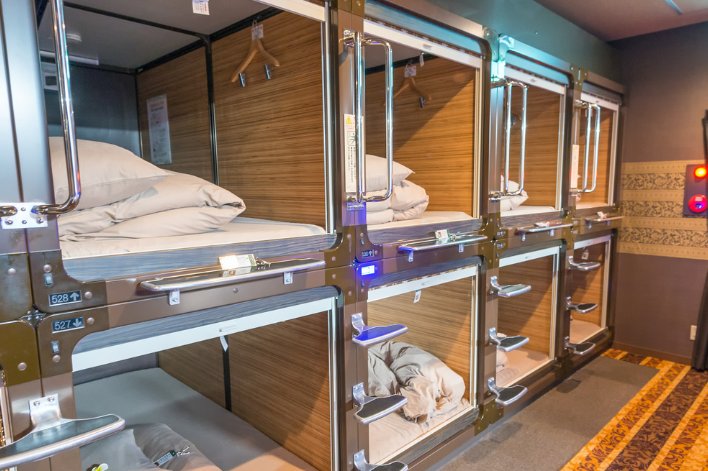
Tokyo is the birthplace of the capsule hotel, designed to provide affordable, no-frills accommodations for solo travelers in crowded urban areas. The Nakagin Capsule Tower in Tokyo became the inspiration for the concept, offering compact but functional rooms that include a bed, desk, and storage space, all in a small pod.
Travel Tip: For budget-conscious travelers, staying in a capsule hotel can be a fun and practical experience, but make sure to book in advance as they tend to get crowded.
How to Experience Tokyo Comfortably and Conveniently
As you explore Tokyo’s vibrant neighborhoods and iconic landmarks, you'll need a comfortable base. Thesquare offers spacious, fully-equipped serviced apartments in prime Tokyo locations like Shibuya, Shinjuku, and Asakusa. With modern amenities and a home-like feel, it's the perfect choice for both short stays and extended visits.
Conclusion
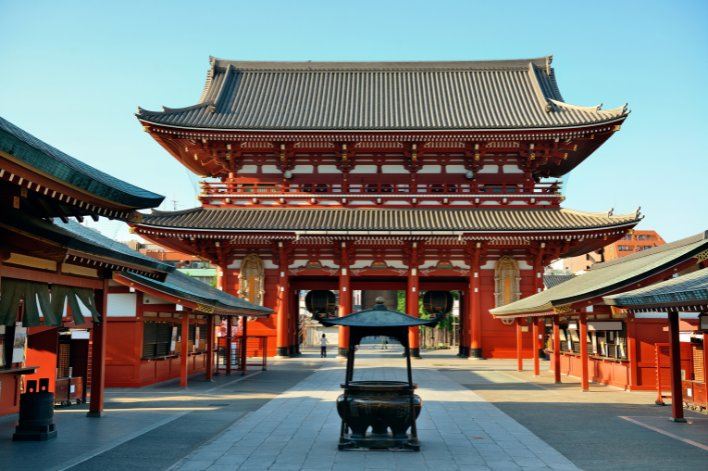
Tokyo is not just a city of skyscrapers and neon lights; it’s a vibrant mix of old and new, offering something for every type of traveler. These 12 surprising facts give you just a glimpse into the depth of what this city has to offer, from its punctual trains to its Michelin-starred dining, and from its futuristic towers to its centuries-old temples. Armed with these insights, you're sure to have a more informed, engaging, and exciting trip to Tokyo.
If you're looking for the perfect place to stay, consider thesquare for your accommodation in the heart of Tokyo's vibrant districts.
Planning Your Visit? Be sure to incorporate these fascinating facts into your itinerary to make the most of your trip and experience Tokyo in a new light.
FAQs
Why is Tokyo considered one of the safest cities in the world?
How many Michelin-starred restaurants are there in Tokyo?
Can I see Mount Fuji from Tokyo?
What is Shinjuku Station famous for?
Why is Tokyo’s train network so punctual?
What are Depachika food halls, and why should I visit them?
How do capsule hotels work in Tokyo?
When is the best time to visit Tokyo to see Mount Fuji?
Are there any traditional neighborhoods in Tokyo?
What is the significance of Tokyo Skytree?
How do I navigate Tokyo’s complex neighborhoods?
Look out for color-coded signposts and English-friendly maps in stations and tourist areas.
Take advantage of walking tours to dive deeper into Tokyo’s local culture.
Can I experience traditional Japanese culture in Tokyo?
Traditional Japanese tea ceremonies and festivals (check the Asakusa Sanja Matsuri).
Visiting historic gardens such as Hama Rikyu Gardens.