What You'll Gain from This Blog
- A practical 3-day Johannesburg itinerary covering the city's top attractions
- How to plan your days for history, culture, and safari experiences
- Local tips on transport, safety, and the best areas to stay
- Recommendations to make the most of a short visit to Johannesburg
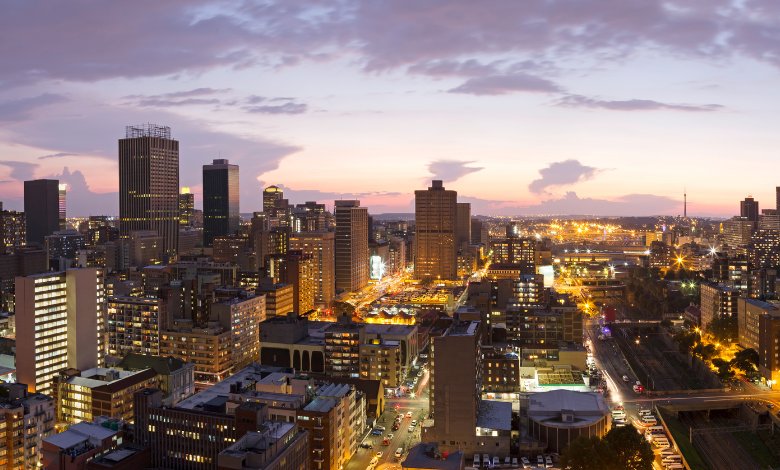
If you're wondering how to spend 3 days in Johannesburg, this itinerary combines the city's most important historical landmarks, cultural experiences, shopping districts, and wildlife adventures. In three days, you'll explore Soweto, Constitution Hill, and the Cradle of Humankind, and choose between a safari and a cultural village experience.
Johannesburg is a city of contrasts, gold-rush history and apartheid scars sit alongside thriving art districts, world-class restaurants, and some of Africa's most important archaeological sites.
You will not only enjoy vibrant nightlife here but also be able to explore fabulous museums and galleries while trying some of the world’s most delicious food as well. On that note, let’s lay out things to do in Johannesburg if you have got three days.
Johannesburg 3-Day Itinerary Worth Considering
This Johannesburg 3-day itinerary covers the city's top historical landmarks, cultural attractions, shopping districts, and wildlife experiences.
Day 1: Apartheid history and the spirit of Soweto
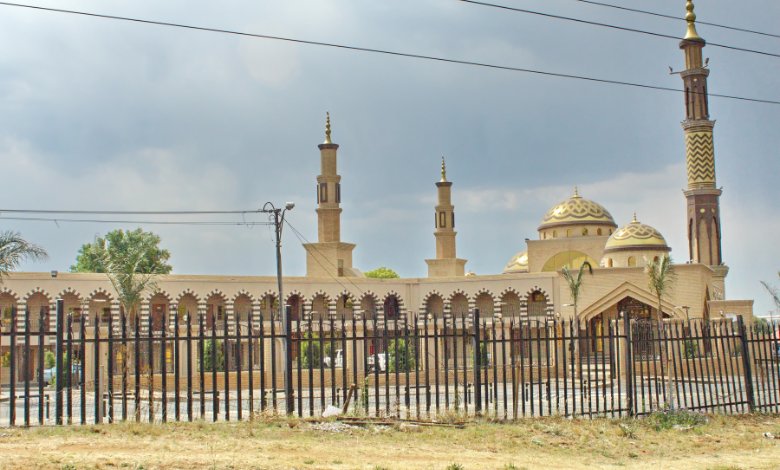
Morning: Start with a visit to the fascinating Apartheid Museum, one of the most powerful history museums in the world.
Opened in 2001, it uses photographs, film, audio recordings, and personal testimonies to tell the story of South Africa's system of racial segregation and the long road to democracy. Allow at least two hours; this is not a place to rush.
Afternoon: Spend the afternoon exploring Soweto, one of South Africa's most historically significant townships and Vilakazi Street as well. This is the only street worldwide that was once home to two winners of the Nobel Peace Prize, namely Desmond Tutu and Nelson Mandela.
Don’t miss exploring the Mandela House (which is now a museum) and the Hector Pieterson Memorial that talks about the Soweto Uprising in 1976.
Evening: You will love the bohemian vibe of 7th Street in Melville and the artsy feel of the Maboneng Precinct, with its rooftop bars and lovely street art.
Walk along Fox Street, grab dinner at one of the rooftop restaurants, and take in the atmosphere.
Day 2: City Tours and Discovering Origins
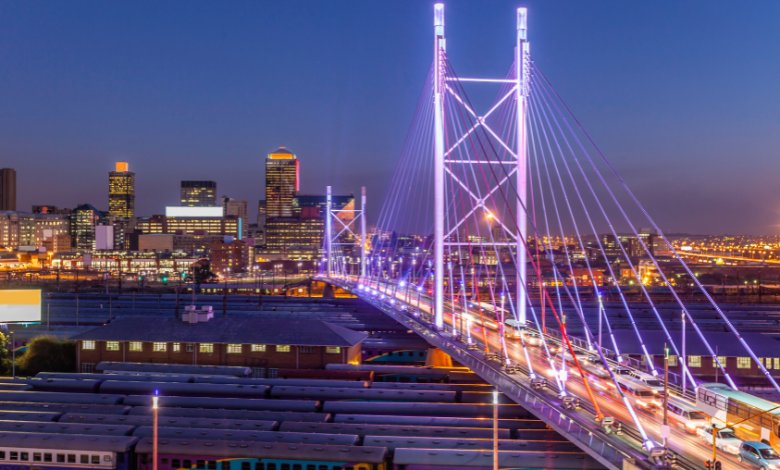
Morning: One of the key things to do in Johannesburg south africa is visiting the iconic Constitution Hill, which once held both Nelson Mandela and Mahatma Gandhi. The former prison complex is now the seat of the country’s Constitutional Court and makes for a fascinating landmark worth visiting in the city.
The self-guided tour takes you through the Old Fort Prison (built in 1892), Number Four (where Black prisoners were held), and the Women's Gaol, before arriving at the modern Constitutional Court building, whose architecture deliberately incorporates bricks from the demolished jail. It is a remarkably powerful space.
Afternoon: You can take a quick 1-hour drive to visit the Cradle of Humankind UNESCO World Heritage Site. You can also view some of the oldest hominid fossils in the world at the Maropeng Visitor Centre and Sterkfontein Caves.
Start at the Maropeng Visitor Centre, which has a boat ride through prehistoric Earth and excellent exhibits on human evolution. Then visit the nearby Sterkfontein Caves, where the famous "Mrs Ples" skull and "Little Foot" skeleton were discovered.
Late Afternoon: The Johannesburg Botanical Gardens offer a quieter side of the city, with walking trails, rose gardens, and views across Emmarentia Dam.
Evening: For dinner, drinks and premium shopping experiences, head to Sandton, while Rosebank offers a hip vibe with some amazing South African fusion restaurants.
Day 3: Wildlife and Cultural Tours
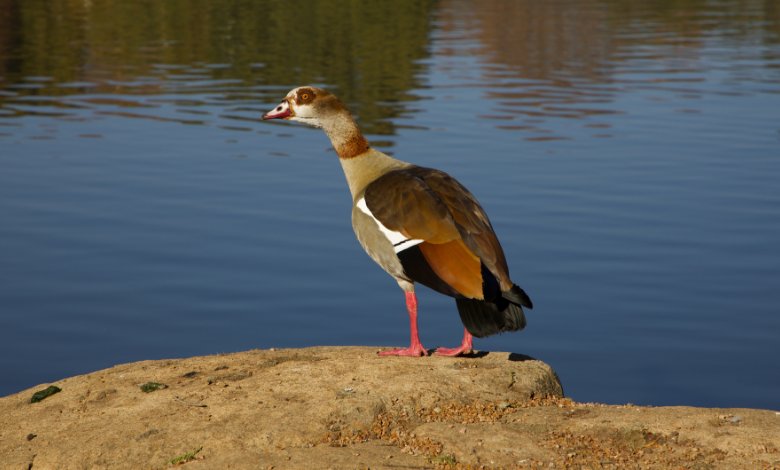
While thinking about activities to do in Johannesburg on the third day, it came down to two choices.
Option A: Safari at Pilanesberg National Park
Take a safari at the Pilanesberg National Park, one of South Africa's top malaria-free safari destinations. Sitting inside an ancient volcanic crater about 2.5 hours north-west of Johannesburg. The park is home to the Big Five: lion, leopard, elephant, rhino, and buffalo, as well as giraffe, hippo, cheetah, and hundreds of bird species.
Option B: Lesedi Cultural Village
About an hour north is one of the unmissable places to visit in Johannesburg, the Lesedi Cultural Village. This is where you can glimpse authentic recreations of homesteads from five cultures: Zulu, Xhosa, Pedi, Basotho, and Ndebele. Guided tours, traditional dance and music performances, and a communal lunch are part of the experience.
Afternoon: If you’re staying in the city, you can spend time at the Johannesburg Zoo, which houses rare white lions and offers several amazing tours at night. Entry is around ZAR 170 per adult.
Evening: End your trip with drinks at a rooftop bar like the Alto234 in Sandton, offering some of the best city views or The Living Room in Maboneng.
If you are a first-time visitor, check out our itinerary created for you here.
Tips and Tricks for Your Trip to Johannesburg
- Use Uber everywhere; it is widely available, reliable, and far safer than hailing street taxis in Johannesburg.
- The Gautrain connects OR Tambo Airport to Sandton, Rosebank, Park Station, and Pretoria. It is safe, punctual, and runs from around 5:30 am to 8:30 pm. A single trip from the airport to Sandton costs approximately ZAR 200.
- Be alert and do not keep your phone in sight, particularly when riding in cars or in busy public zones.
- Avoid walking around late at night, while sticking to tourist-friendly zones like Maboneng and others.
- Buy a local SIM card at the airport on arrival; Vodacom and MTN have dedicated airport kiosks. Data is cheap and essential for Uber and navigation.
- South Africans drive on the left. If renting a car, the N1, N3, and N14 highways are well-maintained and signposted, but avoid driving in unfamiliar areas after dark.
- Joburg winters (June–August) are dry and sunny during the day, but can drop to near freezing at night and early morning. Pack a jacket.
- Free Wi-Fi is available in most malls and many restaurants. For reliable connectivity, the local SIM remains the better option.
- Tipping is expected in restaurants; 10–15% is standard. Petrol station attendants (who always fill your car for you here) typically receive ZAR 5–10.
- Don’t miss trying the local dishes in Maboneng and visiting locations like 44 Stanley for a more authentic experience.
- The Rand fluctuates, but international visitors will generally find Johannesburg good value. Credit cards are accepted almost everywhere.
Safe Areas to Stay in Johannesburg
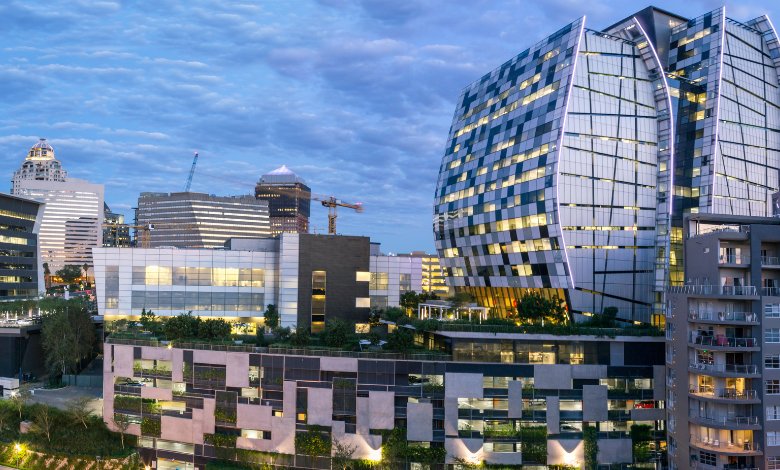
Johannesburg's safety reputation can feel daunting, but the right neighbourhood makes all the difference. These areas are well-established, actively patrolled, and popular with tourists and expats alike. Choose from these safest areas to stay in Johannesburg.
- Sandton: Joburg's financial hub and the safest base for first-time visitors. Excellent infrastructure, upscale hotels, and direct Gautrain access. Sandton City and Nelson Mandela Square are walkable and well-patrolled, and both are close to some of the best things to do in Johannesburg, from rooftop dining to the city's top shopping.
- Melrose Arch: A purpose-built, secure mixed-use precinct. Quiet, clean, and extremely safe. Less atmospheric than Rosebank, but ideal for families or travellers who prioritise ease of movement.
- Waterfall / Midrand: Halfway between Johannesburg and Pretoria, best suited for self-drive visitors combining both cities. Good highway access, newer hotels, but limited local character.
- Maboneng: Joburg's creative district, best explored as a visitor rather than a base. Excellent for food, art, and street culture, but stick to Arts on Main and Fox Street, use Uber, and avoid solo walks after dark beyond the core precinct.
- Rosebank: More relaxed and cosmopolitan than Sandton, with boutique hotels, art galleries, and independent restaurants. Rosebank feels more authentic without compromising on safety and is a short Uber from major Johannesburg tourist attractions like the Johannesburg Art Gallery and Zoo Lake.
Important: Use Uber or a trusted private car service between all areas. Keep phones out of sight in busy public spaces, and avoid walking after dark outside the secured zones above.
Live with TheSquare in Johannesburg
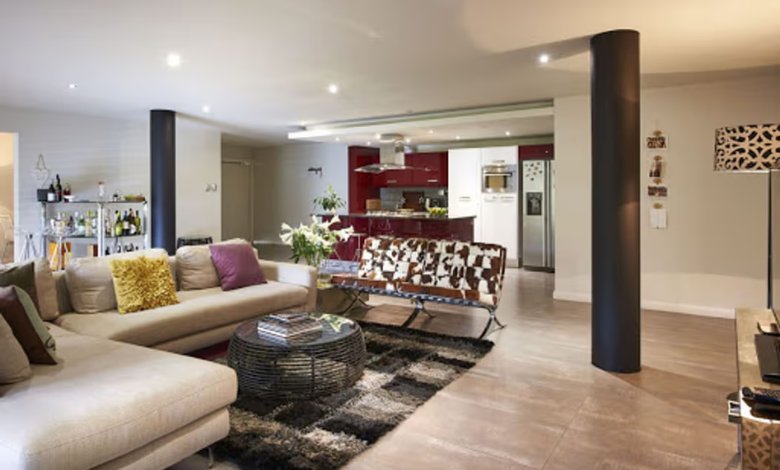
If you're still deciding which area best suits your lifestyle, trip purpose or budget, our travel experts can help. Get in touch with us at stay@thesqua.re to find a serviced apartment in a Johannesburg neighbourhood that matches your needs.
Final Thoughts
Johannesburg rewards the curious traveller. It is a city shaped by extraordinary history, still in the process of becoming something new, and that tension, between past and present, between pain and possibility, is what makes it unlike anywhere else in Africa. Give it three days, and you'll leave wanting more.
FAQs
1. Is Johannesburg safe for tourists?
Johannesburg has a complicated safety reputation, but the answer is nuanced: yes, it is safe for tourists who stay in the right areas and take sensible precautions. Sandton, Rosebank, Melrose Arch, and Maboneng (in the core precinct) are all well-patrolled and popular with international visitors. The main rules are: use Uber rather than street taxis, avoid walking after dark in areas you don't know, and keep phones out of sight in busy public spaces. Millions of tourists visit Joburg each year without incident.
2. What is the best time of year to visit Johannesburg?
The best time to visit Johannesburg is from April to September, the dry season. Skies are clear, rain is rare, and the vegetation thins out in Pilanesberg, making wildlife easier to spot. June to August is winter: sunny and comfortable during the day (around 16–18°C), but cold at night (sometimes below 5°C). October to March is the wet season, with afternoon thunderstorms and lusher landscapes. April–May and August–September offer the best balance of weather and wildlife activity.
3. How do I get from OR Tambo Airport to Johannesburg city?
The easiest and most reliable option is the Gautrain, which connects OR Tambo Airport directly to Sandton in around 15 minutes (ZAR 200). From Sandton, you can connect onwards to Rosebank or take an Uber. Alternatively, Uber is available from the airport's arrivals level; expect ZAR 250–400 to most central neighbourhoods, depending on traffic. Avoid unmetered taxis at the arrivals hall unless you've pre-arranged with a reputable operator.
4. Can you do a safari from Johannesburg in a day?
Yes, Pilanesberg National Park is the top choice for a day safari from Johannesburg. It is approximately 2.5 hours away by car and is malaria-free, making it ideal for a day trip. Leave by 5:30 am to make the early morning game drive, which offers the best wildlife sightings. The Big Five are all present. Madikwe Game Reserve is further (3.5–4 hours) but offers an exceptional wilderness experience if you're willing to stay overnight.
5. What is there to do in Johannesburg besides the Apartheid Museum?
Quite a lot. The Cradle of Humankind is one of the world's most important archaeological sites and an often-overlooked highlight. Constitution Hill is a powerful and under-visited landmark. Soweto's Vilakazi Street, the Hector Pieterson Memorial, and Mandela House are essential. The Maboneng Precinct is Joburg at its most creative, with rooftop bars, street art, and excellent food. The Johannesburg Art Gallery holds the largest collection of art in sub-Saharan Africa. And for something quieter, the Johannesburg Botanical Gardens and Emmarentia Dam are lovely.
6. Do I need a visa to visit South Africa?
It depends on your nationality. Citizens of most EU countries, the UK, the US, Canada, and Australia do not require a visa for stays of up to 30 or 90 days (terms vary by nationality). Citizens of India, China, Nigeria, and several other countries do require a visa in advance. Check the South African Department of Home Affairs website or your nearest South African embassy for the most up-to-date requirements for your passport. All visitors need a passport valid for at least 30 days beyond their planned departure date.