What You’ll Gain from This Blog
- Best Amsterdam neighbourhoods for expats, based on budget, lifestyle and commute.
- How to find rental accommodation and navigate Amsterdam’s housing market.
- Monthly cost of living in Amsterdam, including rent, utilities, groceries and transport.
- Everyday living tips covering cycling, public transport, language and social life.
- Dutch registration requirements, BSN, visas and health insurance essentials.
- A relocation checklist covering housing, banking, utilities and family arrangements.
Moving to Amsterdam comes with several practical realities, not just enjoying the city’s global appeal, canal and cycling networks and top-tier dining and entertainment circuits. There’s always a steady influx of expats in Amsterdam, and this reality sets in swiftly after arrival. Moving to Amsterdam means finding a home in the competitive housing market and finding the right place for yourself.
Choosing the right neighbourhood as an expat is just one part of moving to Amsterdam. Budgeting for everyday expenses, arranging healthcare and understanding local registration rules all require careful planning. This guide covers the practical essentials of living in Amsterdam, from housing and neighbourhoods to costs and everyday life.
Best Neighbourhoods in Amsterdam for Expats
Living in Amsterdam as an expat becomes easier and calmer when you choose the right neighbourhood. Choosing where to live in Amsterdam depends on your budget, commute and preferred lifestyle. Some neighbourhoods offer lively streets and easy access to cafés and shops, while others have a quieter residential atmosphere or better suit families and professionals working in the business districts.
De Pijp: For social life and a walkable lifestyle

De Pijp is a popular choice for expats living in Amsterdam, especially if you enjoy lively streets, independent cafés, and a vibrant city lifestyle. The Albert Cuyp Market is a neighbourhood landmark, while Sarphatipark offers a quieter place to spend time outdoors. Its central location makes cycling and walking convenient for many daily journeys.
The neighbourhood appeals to young professionals and couples who want an active social scene without living directly in the city centre. Yet this makes the neighbourhood in high demand, and you need to be ready for high prices.
Oud-West: For neighbourhood convenience
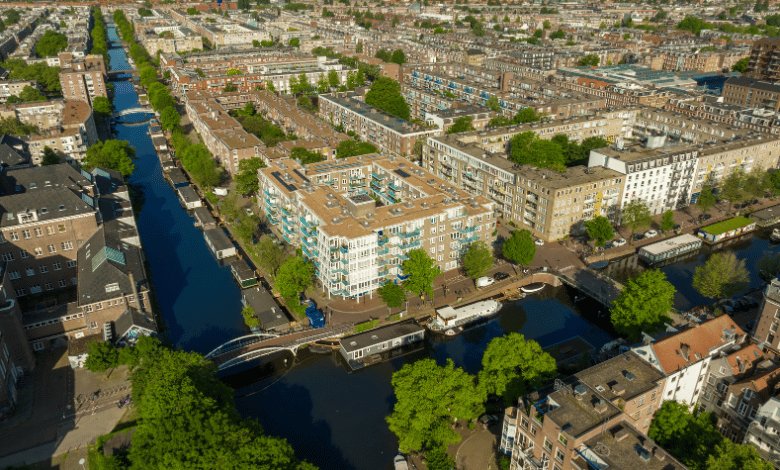
Oud-West offers a more residential alternative for an expat moving to Amsterdam who still wants easy access to the city centre. Its independent shops, cafés and restaurants give the neighbourhood a strong local character, while De Hallen brings together food, cultural and community spaces. Vondelpark is also within easy reach of much of the area.
When compared with De Pijp, Oud West is for those who want a taste of local lifestyle alongside everyday convenience. It suits professionals and couples who want to cycle into central Amsterdam while having local shops and restaurants nearby.
Amsterdam Zuid: For professionals and families
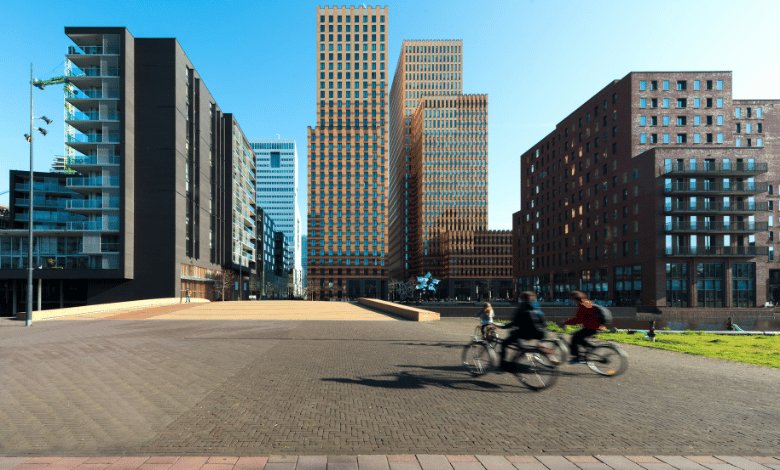
Amsterdam Zuid has a different feel from the busy streets around the canal belt. Around Oud-Zuid, grand townhouses, leafy avenues and neighbourhood cafés give way to the modern office towers of Zuidas, where many international companies have their headquarters.
For professionals relocating to Amsterdam for some time or even longer, staying here means shorter daily commutes. Buitenveldert in the south has a calmer suburban feel to it and is perfect for people who like green spaces as well as shopping. The area is also worth considering for families, with international schools and parks within reach, although school admissions and catchment arrangements need checking.
Amsterdam Oost: For a residential feel and local community
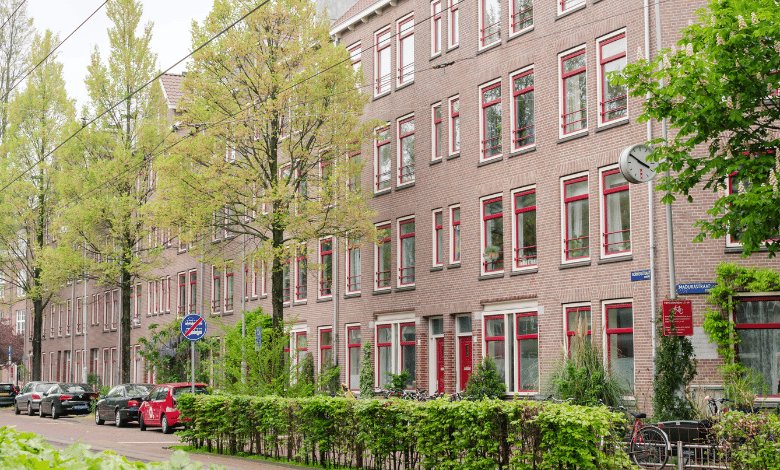
Amsterdam Oost is a great place to get a feel for everyday city life. Mornings might mean picking up fresh produce at Dappermarkt, while afternoons are better spent wandering through Oosterpark or stopping at one of the many cafés along Javastraat. The architecture is part of the appeal, too, with handsome 19th-century buildings sitting alongside modern apartments and waterside developments.
For expats looking beyond the busier centre, Oost is one of the best neighbourhoods to stay in Amsterdam, particularly if you want independent shops, a varied food scene and a more residential setting. It suits couples, families and professionals, although the atmosphere changes from one part of the district to another. Check the location of a prospective home against your commute, as transport connections and journey times vary across Oost.
Amsterdam Noord: For a different pace and more space options
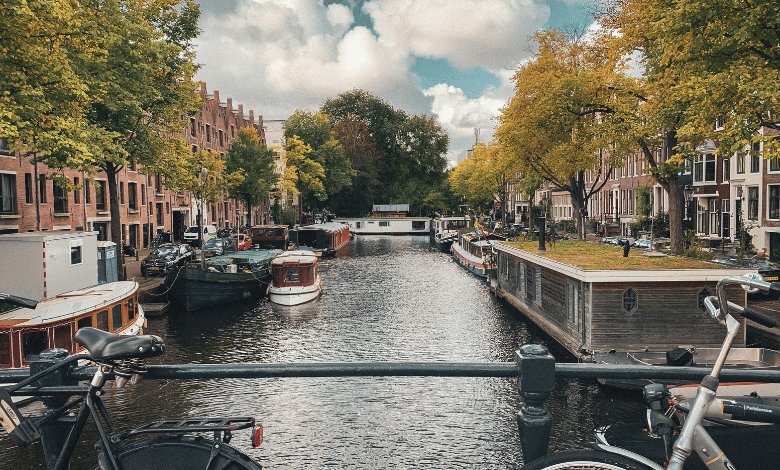
Cross the IJ by ferry from Amsterdam Centraal, and the city begins to feel rather different. Amsterdam Noord has an industrial past that still shows around NDSM Wharf, where old shipyards have given way to artists' studios, cafés, cultural spaces and waterside hangouts. Elsewhere, modern apartment buildings line the waterfront around Overhoeks, while quieter residential pockets offer a little distance from the crowds across the river.
For expats weighing up the best places to stay in Amsterdam, Noord is worth considering if you want more breathing room without giving up easy access to the centre. The free ferries and Noord/Zuid metro line make getting around straightforward, but location matters: some parts of the district are much further from stations and ferry terminals than others. Check your commute before signing a lease, particularly if you need to travel into the centre every day.
Finding a Home in Amsterdam as a Newcomer
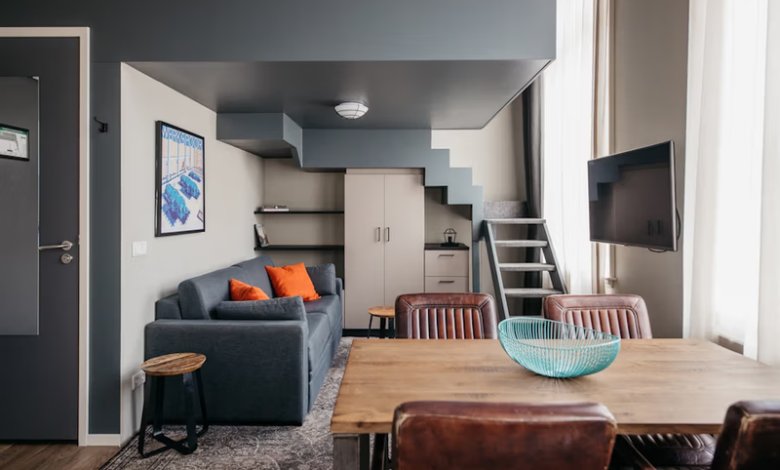
The biggest decision for any expat in Amsterdam is finding a home in the city as a newcomer. The city has a competitive housing market, and newcomers may find that suitable apartments attract several applicants. Start looking well before your move, get your paperwork in order and be prepared to consider neighbourhoods beyond the city centre. Here is what to know before signing a rental agreement.
- Understanding the Rental Options: The city is divided into social housing (which comes with lengthy waitlists), mid-range and private-sector rental choices. Newcomers usually depend on the private market, since it does not have years-long waiting lists and income thresholds. However, private rentals are not automatically accessible to everyone: landlords set selection criteria, and some properties have minimum income requirements. Check the rent, eligibility conditions and contract terms before applying.
- Get your documents ready: You can expect to be asked for proof of identity, income statements (often 3-4 times the rent), employment contracts and other documentation. Always verify the eligibility and application rules before you venture into the housing market.
- Planning the Upfront Costs: Property costs account for a big chunk of the Amsterdam cost of living. You should budget for a security deposit (mostly 1-2 months’ rent), utilities, internet, furniture and service charges. There is a limit on deposits(no more than two months' basic rent), so ask for a breakdown of all payments.
- Carefully Verifying Properties: Before signing, view the property where possible and verify that the landlord or letting agent is legitimate. Check the tenancy agreement for rental duration, notice periods, maintenance responsibilities and additional charges. Avoid transferring money before verifying the property and securing a valid agreement.
- Check registration options: Address registration is equally important for expats. If you plan to live in the Netherlands for more than four months, you must register with the municipality within five days of arrival. You will need a residential address and supporting documents, such as your rental agreement or proof of permission to live there. Registration gives you a Citizen Service Number (BSN), which is essential for employment, taxes and other administrative matters. Confirm that you can register at the property before signing the agreement.
- Consider Temporary Accommodation: You can book a furnished apartment initially for a few weeks or months. This gives you a furnished and cost-effective base with kitchens, workspaces, laundry and hotel-style amenities. You can compare neighbourhoods, test the commute times and view properties in person before committing to long-term housing without any rush.
A final word on renting: Start your search early, keep your financial documents close at hand and never transfer a deposit without verifying the property and the person renting it to you.
Cost of Living in Amsterdam: What Should Expats Budget For?
Here is a guide to the average monthly cost of living in Amsterdam (and what you should budget for):
Monthly costs at a glance
- Rent: Pararius reported an average asking rent of €28.56 per sq m per month in Amsterdam's unregulated rental sector in Q3 2026. As a guide, that equates to roughly €1,430 for a 50 sq m apartment or €2,000 for 70 sq m. Furnished and central properties may cost more.
- Electricity and gas: Around €90–€105 for a one-person household in a small apartment. Costs vary with insulation, heating and energy use.
- Water: Approximately €13 per month for a single-person household, based on Waternet's 2026 estimate.
- Groceries: Budget around €300–€400 a month if you mostly cook at home. Dining out will increase this.
- Public transport: A GVB one-hour ticket costs €3.40, while an unlimited monthly GVB subscription costs €129. Cycling regularly can reduce transport costs.
- Health insurance: The average basic premium is around €159 per month in 2026. The standard annual deductible (eigen risico) is €385; additional cover and some treatments cost extra.
- Personal spending: Set a separate allowance for restaurants, cafés, shopping, fitness and entertainment, as these costs vary considerably.
Other costs to factor in
- Municipal waste tax: In 2026, €352 for a one-person household and €469 for households with two or more registered residents.
- Service charges and utilities: Check whether rent includes energy, water, internet and building service charges. These may be billed separately.
- Water-board taxes: Additional charges may apply depending on your property and circumstances.
- Healthcare eligibility: Whether you must take out Dutch basic health insurance depends on your residence and employment situation. Check your position before budgeting for it.
Everyday Life in Amsterdam: Tips for Expats
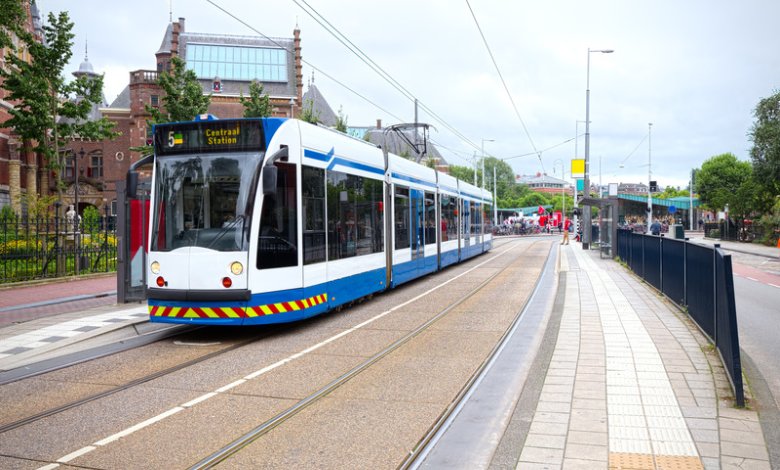
Once you’ve figured out the average Amsterdam cost of living, you need to be introduced to everyday life in Amsterdam. So, you feel closer to the culture and can enjoy your stay as a local.
-
Mastering the Bike Lanes: Cycle lanes are part of everyday life, but watch for trams, pedestrians and other cyclists. Use two locks to secure your bike to a fixed stand, and fit working lights for darker mornings and evenings. GVB trams, buses and metro services are useful for longer journeys.
-
Meeting people: Join a local sports club, try a language exchange or look out for neighbourhood events and volunteering opportunities to meet people beyond your workplace.
- Language: English is widely spoken in shops, restaurants and international workplaces, but less guaranteed when dealing with local authorities. Learning a few Dutch phrases is useful.
- Weather and shopping: Amsterdam's weather can change quickly, so pack a waterproof jacket and comfortable shoes. Sunday shop opening hours vary by retailer and neighbourhood, so check before visiting.
What to Arrange When Relocating to Amsterdam
Relocating to Amsterdam needs proper planning to ensure a smooth transition to life in the city. Here is a checklist to help you monitor your vital tasks before and after your arrival.
- Secure Your Visa and Work Permits: Always verify your work and residence permissions based on your nationality. This has to be done before you book your travel.
- Register with the Municipality: Register with the municipality within five days of arriving in the Netherlands if you intend to stay for more than four months. You will receive a Citizen Service Number (BSN), which you need for important administrative tasks, including employment, taxes and healthcare.
- Set Up Dutch Health Insurance: Check whether you are required to take out Dutch basic health insurance based on your residence and employment status. If the requirement applies, arrange coverage as soon as possible and within four months of arrival. Confirm your eligibility with official Dutch guidance.
- Organise Your Finances and Utilities: Open your local bank account (recommended for the standard iDEAL Dutch payment system) and set up mobile connectivity before arranging home utilities.
- Secure Housing and Family Needs: Finalise your accommodation in advance due to highly competitive markets in Amsterdam. Do your homework on childcare options, local schooling and public transit routes if you are moving with your family.
Conclusion
Moving to Amsterdam can be an exciting opportunity, but settling in takes more than finding an apartment. Understanding the rental market, choosing a neighbourhood that suits your routine and preparing for everyday expenses will make the transition easier. Take time to compare your options, confirm the practicalities of registration and healthcare, and choose accommodation that works for both your budget and your plans.
FAQs
How difficult is it to find an apartment in Amsterdam as an expat?
Can you live in Amsterdam without speaking Dutch?
Which neighbourhoods in Amsterdam are best for expats?
Do expats need Dutch health insurance when moving to Amsterdam?
Can you live in Amsterdam without a car?