
What You'll Gain from This Blog
- Discover Washington, DC’s iconic landmarks and must-see monuments.
- Explore the city’s best Smithsonian museums and cultural attractions.
- Find neighbourhoods worth exploring, from Georgetown to U Street.
- Follow a practical one-day Washington, DC sightseeing itinerary.
- Compare the best areas to stay for sightseeing, dining and local experiences.
- Get tips on free attractions, timed-entry passes and getting around without a car.
Washington, DC has plenty to attract curious travellers, history buffs, and architecture lovers, with its National Mall, grand monuments, and cultural landmarks like the Smithsonian Institution. It is a city best explored on foot, moving between monumental public spaces, world-class museums and neighbourhoods with histories of their own.
Beyond the National Mall, Georgetown's waterfront, the jazz heritage of U Street and the lively Wharf offer a different perspective on the American capital. Whether you're visiting for a weekend or planning a longer stay, knowing what to see in Washington, DC, makes all the difference.
The Iconic Sights That Define Washington, DC
From historic monuments to world-renowned museums, knowing what to visit in Washington, DC can help you make the most of your time in the capital.
The National Mall and its memorials
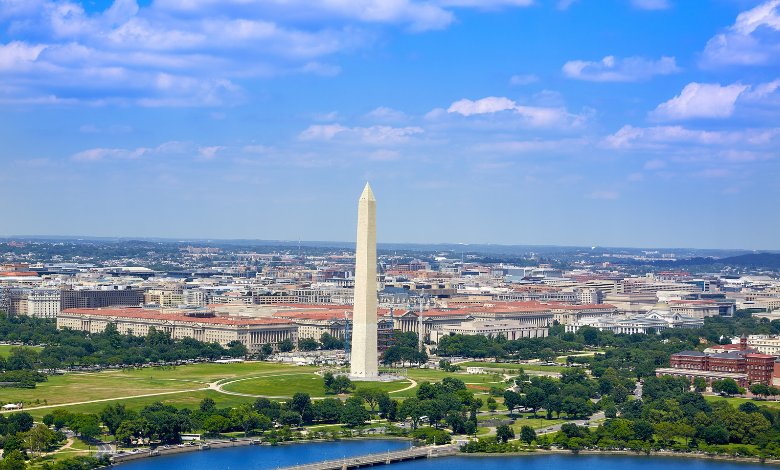
The National Mall stands out as one of the biggest DC tourist attractions with its amazing monuments. It helps you trace the fascinating story of how America grew, right from the nation’s founding principles to how it won its freedom.
Begin at the Washington Monument, then walk west towards the World War II Memorial and the Lincoln Memorial Reflecting Pool, which stretches between the monument and the Lincoln Memorial. The Vietnam Veterans Memorial and Korean War Veterans Memorial are also nearby. Allow around two to three hours to explore this western memorial route at a comfortable pace.
For more, extend your visit to the Tidal Basin, a separate waterside route featuring the Martin Luther King Jr. Memorial, Franklin Delano Roosevelt Memorial and Thomas Jefferson Memorial. The outdoor memorials and grounds do not need reservations; however, the Washington Monument's observation deck and nearby museums have separate entry requirements, so check ahead if you plan to visit them.
The White House and the US Capitol

The White House and the US Capitol are two of the most recognisable Washington, DC, must-see landmarks, each with a distinct place in American history. The White House serves as the President's official residence and workplace, while the Capitol houses the US Congress. Both are worth seeing from the outside, even if you don't plan to take a tour.
Visitors can request a free White House tour through a Member of Congress, while international visitors can contact their embassy for assistance. The Capitol also offers free guided tours, lasting around an hour and covering the Crypt, Rotunda, and National Statuary Hall. Reservations are recommended, although limited same-day passes may be available. If you're planning what to see in Washington, DC, check the official visitor websites for current tour arrangements before your visit.
Arlington National Cemetery

Arlington National Cemetery is one of the tourist attractions in Washington, DC that is usually missed by tourists. It’s located in Virginia and is home to the famous Tomb of the Unknown Soldier, a white marble sarcophagus that has the iconic inscription: Here rests in honoured glory an American soldier known but to God.
In fact, the cemetery itself has the graves of many heroes who fought in the Korean and First/Second World Wars. While you’re here, don’t miss the Changing of the Guard ceremony with a 21-gun salute (almost like a 21-gun salute).
You can also use the official ANC Explorer Mobile App or the on-site kiosks to find particular gravesites and get walking directions. To get there, take the Metrorail Blue Line to the Arlington Cemetery station (just a short walk from the Welcome Centre). You can also choose the hop-on, hop-off visitor tram with narration if you just want to explore the key attractions like John F. Kennedy’s gravesite and the Tomb of the Unknown Soldier.
Museums and Cultural Experiences Worth Making Time For
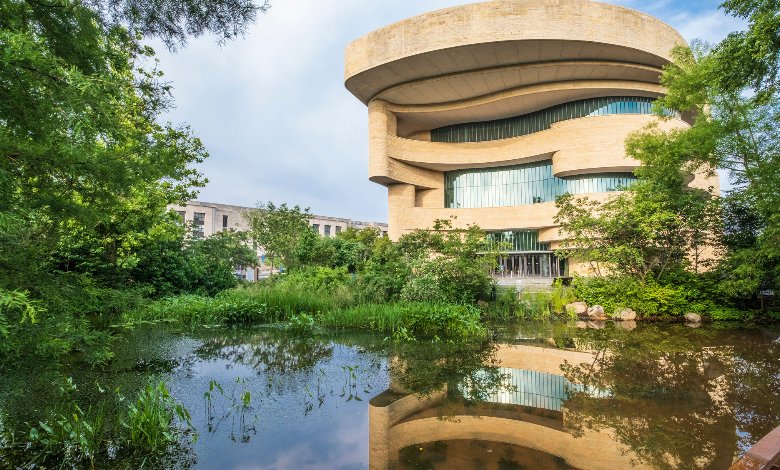
Museums and cultural landmarks need a place in your list of things to see in Washington, DC. The city houses some of the best cultural institutions globally, which makes it really rewarding if you’re a curious visitor. So, rather than trying to cover everything at once, choose some select venues that sync with your passion. Here are some recommendations:
- National Museum of Natural History:
Get a close view of the Earth’s evolution through massive dinosaur fossils, the famous Hope Diamond, and other natural wonders. Admission is free, with no entry passes needed. Go straight to the David H. Koch Hall of Fame (Deep Time) and the Geology, Gems, and Minerals Halls (to see the Hope Diamond) early on before the peak crowds arrive.
- National Air and Space Museum:
Ideal if you’re a stargazer or tech lover, the museum showcases human innovation with its spacecraft, aviation history exhibits, and space evolution stories. Admission is free, although free timed-entry passes are required to enter. Do not arrive too early before your designated pass time, since queuing space is limited outdoors. Reserve your slot through the official National Air and Space Museum website and keep personal bags minimal for faster security checks.
- National Museum of African American History and Culture:
History lovers can expect an emotionally moving experience at this museum. It focuses on African-American culture, history, and contributions. Admission is free, but you’ll need to reserve timed-entry passes in advance through the official website. Start your tour from the bottom-up history levels (chronologically), from the slavery and civil rights era. Keep sufficient time aside for this landmark, since it’s got a huge collection. You can also enjoy a snack or meal at the Sweet Home Café inside the museum.
- National Gallery of Art:
Art lovers find this venue really attractive, with its collections covering diverse styles and periods, right from Renaissance artworks to contemporary sculptures. The museum covers two buildings, i.e. the West Building with its neoclassical architecture and the more contemporary East Building. They are linked through an underground walkway that has water cascades and a light sculpture. Don’t miss the outdoor Sculpture Garden along Constitution Avenue when you visit. Admission is free, and you won’t need tickets/passes to enter.
- Library of Congress:
The ornate interiors, vast historic collections, and architectural detailing take you into a fascinating world. The Thomas Jefferson Building offers a regal yet peaceful break from regular museums. While admission is free, you’ll need timed-entry tickets (open 30 days in advance, with only limited batches of free same-day tickets released at 9 AM ET every morning). Try to arrive early in the morning around 10-10.30 AM for fewer crowds. You can book or check ticket availability through the official Library of Congress website.
*Note that while several Smithsonian museums are free to enter, some coveted exhibitions and venues may have strict requirements in terms of timed entry. Instead of rushing through multiple museums in a day, you should choose based on your particular interests for a more enjoyable experience.
Explore Washington DC Beyond the Monuments
Explore and savour the unique charm of Washington, DC beyond the monuments, venturing into the city’s famous streets, markets, and other hubs of local life. Here are some of the top things to do in Washington, DC beyond the monuments:-
Georgetown: Waterfront Walks and Unmatched Charm
Step right into a locality that many believe is older than the actual city itself. Georgetown will tempt you instantly with its classic 18th-century brick townhouses, college-town-like vibe, and cobblestone sidewalks.
You can walk along the tranquil C&O Canal towpath to view famous locks and stone bridges before checking out the M Street stationery shops and independent boutiques. End your afternoon with a fresh espresso savoured at local cafes before watching the rowing crews on the Potomac River at sunset (from the waterfront park). Skip the crowded commercial strip and walk into the residential side streets to see peaceful gardens and federal-style buildings.
U Street and Shaw: Heritage Comes Alive
One of the most incredible places to visit in Washington, DC are the U Street corridor and adjacent Shaw make up the historic hub of Black culture in the city. Known as “Black Broadway”, the corridor was a major centre for jazz, theatre and Black-owned businesses in the early 20th century.
The Lincoln Theatre recalls that era, while Ben’s Chilli Bowl, serving its famous half-smoke since 1958, remains a neighbourhood institution. Music venues and murals keep the area’s creative spirit alive.
The Wharf: Re-Envisioning Riverfront Vibes
If you want a different evening out in Washington, DC, visit the vast steel-and-glass promenade that’s just over the Washington Channel. The Wharf has changed the relationship of the city with waterways, enabling a maritime environment, complete with open-air fire pits, floating piers, restaurants, outdoor spaces and live-music venues, including The Anthem.
Enjoy unique glimpses of daily life, especially when you visit the 19th-century Eastern Market. This brick hall has several regional farmers, bakers, and cheesemongers, while weekends bring woodworkers, local painters, and jewellers. Go on a Saturday or Sunday morning to explore the outdoor farmers’ lineup and weekend flea market stalls. Also, enjoy the delicious blueberry buckwheat pancakes at the Market Lunch counter (Eastern Market).
National Arboretum: Peace and Architectural Marvels
The 446-acre National Arboretum offers gardens, wooded paths and the National Bonsai & Penjing Museum. Its best-known feature is the National Capitol Columns, originally part of the US Capitol and removed during its 1958 extension before later finding a permanent home here.
The grounds are extensive, so plan transport rather than assuming it is an easy walk from central Washington. Driving is convenient; public transport requires a bus connection, while cyclists and pedestrians should use the R Street entrance. You can also enjoy fresh and cooked seafood at the iconic Municipal Fish Market. Water taxis jet past the illuminated piers in the evening, while the boardwalk sings with a unique rhythm of its own. Plan your visit around sunset to walk along the waterfront piers for stunning river views.
Capitol Hill and Eastern Market: Encapsulating the Community Feel
Capitol Hill’s historic rowhouses and tree-lined streets offer a quieter contrast to the monumental centre. Just a few blocks from the Capitol dome, this area has elegant brick facades and leafy residential streets with charming Victorian rowhouses.
What to See in Washington, DC in One Day
If you're planning what to see in Washington, DC in one day, focus on the central landmarks and choose just one museum. This route keeps the main sights manageable without trying to squeeze in every attraction.
- Morning: Start at the Washington Monument and explore the National Mall and nearby World War II Memorial.
- Late morning: Walk west to the Lincoln Memorial, Reflecting Pool and Vietnam Veterans Memorial.
- Afternoon: Choose one Smithsonian museum, such as the National Museum of American History or the National Air and Space Museum, based on your interests.
- Late afternoon: See the White House from outside or take a pre-booked Capitol tour, depending on your route and availability.
- Evening: Head to The Wharf for dinner, waterfront views and a relaxed walk along the piers.
If you want an interior tour, prioritise either the White House or US Capitol rather than trying to fit both into one day. Save Georgetown, the Tidal Basin and the National Arboretum for a longer visit.
Where to Stay in Washington, DC
Once you’ve decided what there is to do in Washington, DC, choosing the right neighbourhood can make getting around much easier. Each area offers a different balance of sightseeing, transport and local atmosphere.
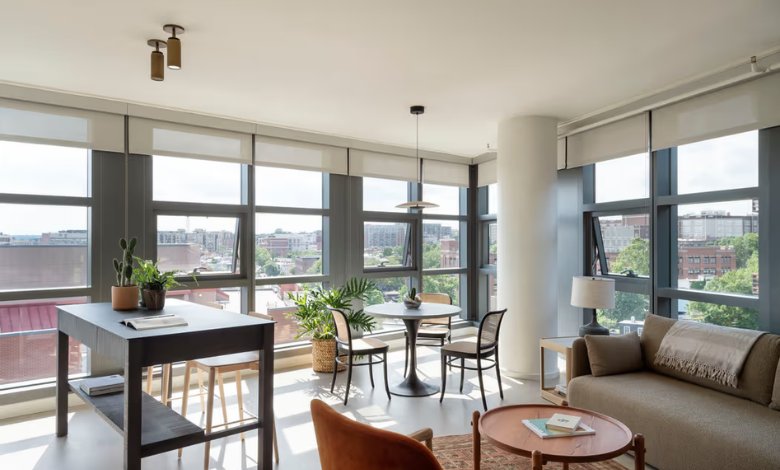
- Penn Quarter and Downtown: A convenient base for first-time visitors and business travellers, with easy access to the National Mall, Smithsonian museums, restaurants and major Metro connections. Penn Quarter and Downtown, however, offer a busier, more central setting.
- Capitol Hill: Best for families and visitors who prefer a quieter, residential atmosphere. The historic streets of Capitol Hill put the Library of Congress, US Capitol and Eastern Market within easy reach.
- Dupont Circle: Dupont Circle is a good choice for couples and solo travellers who enjoy independent cafés, galleries, restaurants and a lively local scene. The neighbourhood also has useful Metro connections.
- Georgetown: Ideal for shoppers and those drawn to historic architecture, cobbled streets and waterfront dining. However, Georgetown has no Metro station, so you’ll rely on buses, walking or rideshares to reach other parts of the city.
Conclusion
Washington, DC rewards visitors who look beyond its best-known landmarks. The National Mall and Smithsonian museums offer a window into the country's history, while neighbourhoods such as Georgetown, U Street and Capitol Hill reveal the city's food, culture and everyday life.
Whether you have a day or a long weekend, prioritise the sights that interest you rather than trying to cover everything at once. Choose a well-connected base, leave room to explore between the major attractions, and you'll find plenty of memorable things to do in Washington, DC beyond the usual sightseeing route.
FAQs
What are the must-see places in Washington, DC?
What are the best free attractions in Washington, DC?
How many days do you need to see Washington, DC?
Can you explore Washington DC without a car?
What is the best time of year to visit Washington, DC?