What You’ll Gain from This Blog
- A day-by-day 3-day Seoul itinerary covering the city’s key attractions.
- The best palaces, traditional neighbourhoods, markets and modern landmarks to explore.
- Where to find Seoul’s best street food, shopping, cafés and nightlife.
- How to spend an afternoon exploring Gangnam or relaxing by the Han River.
- The best time to visit Seoul and the most convenient areas to stay.
- Practical tips on transport, attraction timings and planning your trip.
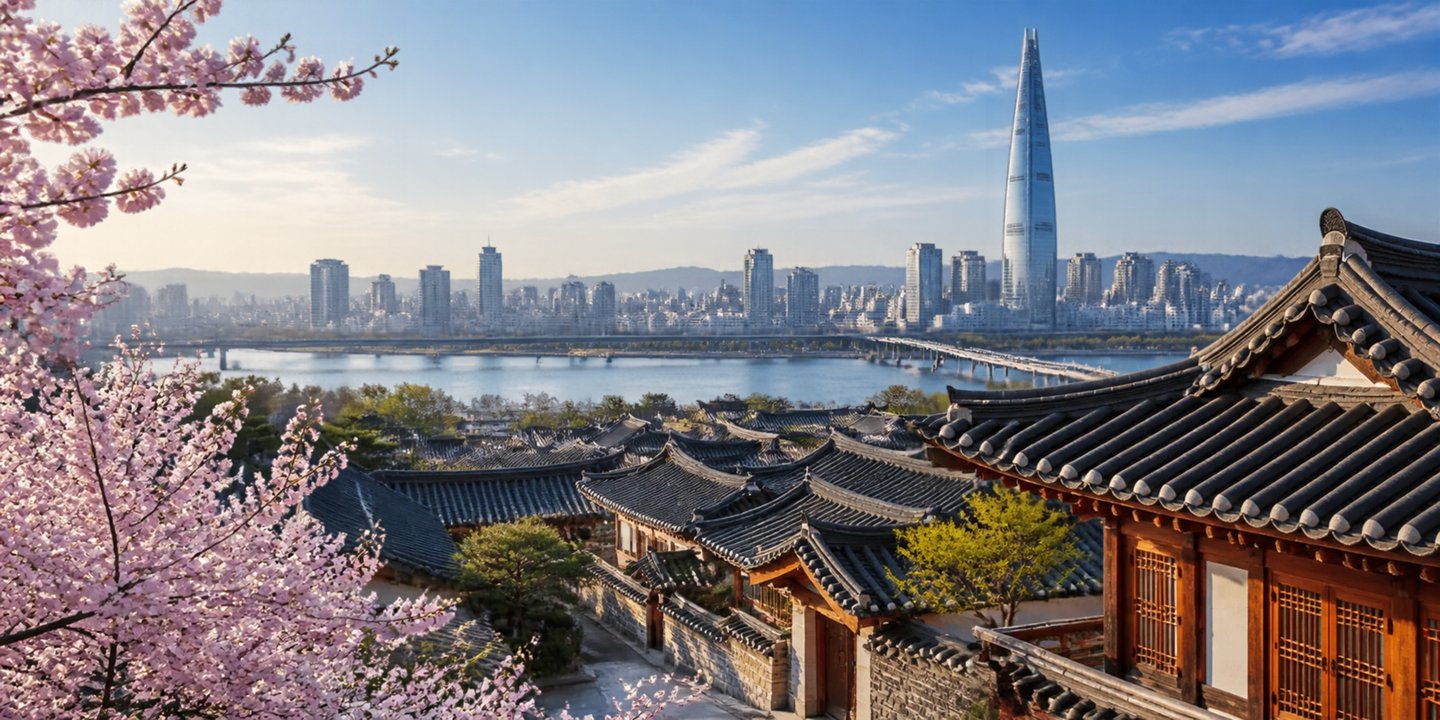
Seoul brings together centuries-old royal palaces, traditional hanok neighbourhoods, bustling food markets and a contemporary city shaped by K-culture, design and nightlife. From ancient villages and palaces to lively street food and markets, Seoul has something to interest every visitor.
So, if you’re planning your first visit to Seoul, this 3-day Seoul itinerary will help you plan your time in the best way. Covering historic royal palaces and traditional neighbourhoods, along with modern shopping, culture and nightlife, we have got you in for an in-depth Korean ride.
Day 1: Discover Seoul’s Royal Palaces and Traditional Neighbourhoods
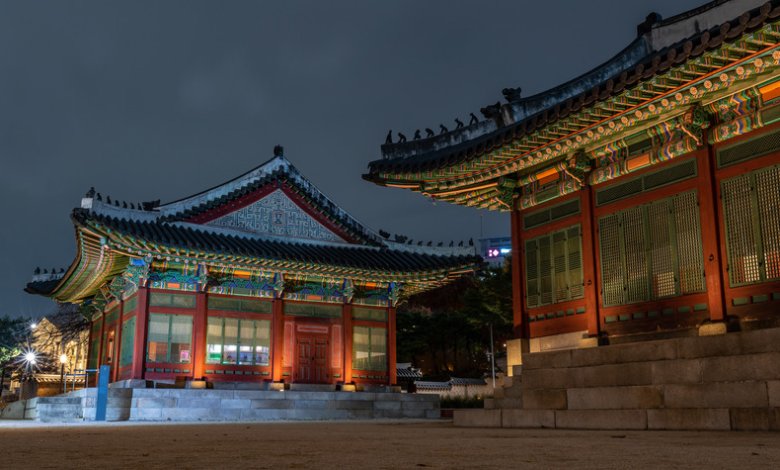
Beginning our Seoul in three days itinerary with the city’s most enchanting neighbourhoods and stunning royal palaces.
Morning: Gyeongbokgung Palace
As you begin your day at the largest of the Joseon Dynasty’s Five Grand Palaces, allow more than 2 hours. It showcases traditional Korean architecture with geometric layouts against the peaks of Mount Bugaksan in the background.
Walk through the stunning Gwanghwamun Gate to see the Royal Guard Changing Ceremony (usually at 10 AM and 2 PM) and explore the Geonjeongjeon (main throne hall).
The Gyeonghoeru is a must-visit, a banquet pavilion on stone pillars over a lotus-filled lake. You can also rent a hanbok and enjoy the culture a bit more closely; visitors wearing qualifying traditional hanbok can enter the palace free of charge.
Tip: Adult admission is generally ₩3,000. Gyeongbokgung is normally closed on Tuesdays, and opening hours vary by season. Check the official palace website before planning your visit.
Late Morning: Bukchon Hanok Village
From the palace, walk towards Bukchon Hanok Village, a historic residential neighbourhood known for its traditional Hanoks, tiled roofs and narrow lanes. Once, the place was home to nobles and top-ranking Government officials in the Joseon era. Today, it offers a glimpse into the past with its winding cobblestone pathways and tiled roofs.
Allow around 45–60 minutes for a respectful walk through the permitted streets. Rather than rushing between photo spots, take time to appreciate the architecture and the way traditional homes sit within a living urban neighbourhood.
Afternoon: Insadong
A highlight of your 3 days in Seoul, Insadong is here traditional crafts, calligraphy shops, galleries and tea houses offer a slower pace after the morning's sightseeing. Shop for authentic souvenirs, ceramics, handmade paper goods, and embrace the historic tea culture of Korea, heading down the side alleys to find traditional restaurants offering Insadong Ssambap (rice wraps with seasoned pork and vegetables) or Kalguksu (knife-cut noodle soup).
Make time for a traditional tea house and try omija-cha, a tea made from five-flavour berries, or sweet jujube tea. Allow around two hours for Insadong so that you can explore the main street as well as side alleys.
Evening: Myeongdong
Finish your first day Seoul itinerary at Myeongdong, one of the city’s best shopping districts. This amazing destination is worth a visit in the evening. Watch the neon lights turning on at sunset while exploring the night market with its flagship stores and K-beauty cosmetics shops.
Myeongdong is also a convenient place to have dinner before returning to your accommodation. After browsing, sample popular snacks such as tteokbokki, spicy rice cakes, and gyeran-ppang, sweet savoury egg bread.
Day 2: Experience Seoul’s Markets, Modern Landmarks and Nightlife
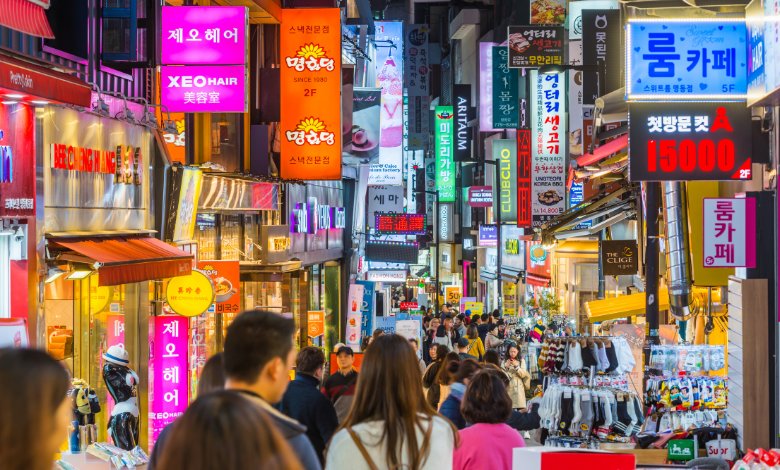
Day two of your 3 days in Seoul, Korea, is all about exploring the city’s bustling nightlife, markets and contemporary landmarks.
Morning: Gwangjang Market
Start the day at one of the city’s most famous and oldest food hubs, walking down the bustling lanes where vendors make delicious treats in front of you. Get a counter seat and order bindaetteok (mung bean pancakes) for about ₩5,000–₩10,000, along with mayak gimbap (mini seaweed rice rolls, costing approximately ₩4,000).
The iconic Food Alley here functions from 9 AM to 11 PM daily, year-round. The nearby textile and general goods stores close on Sundays.
Other sections of the market sell textiles, clothing, household goods and traditional products. Carry some cash as a backup, even though cards are accepted at many stalls
Early Afternoon: Dongdaemun Design Plaza
Next in your Seoul travel itinerary comes Dongdaemun Design Plaza, where you can admire the futuristic architectural marvels of Zaha Hadid. Its sweeping metallic surfaces and curved forms offer a very different perspective on Seoul from the palaces and traditional neighbourhoods visited on day one.
It is free to explore the architectural walkways and public plaza grounds, although DDP Museum indoor exhibitions and events need separate tickets. Register in advance through the DDP platform, with tickets usually ranging from ₩15,000 to ₩24,000.
Explore the public spaces, architectural walkways and design-related displays. Depending on the current programme, you may also find exhibitions, fashion events or cultural installations. The Design Store is worth a look for locally designed objects and souvenirs.
Late Afternoon: The Heritage Track
Spend the late afternoon in Ikseon-dong, a compact neighbourhood where traditional hanok buildings house contemporary cafés, bakeries, boutiques and small restaurants.
The appeal lies in the contrast between the old architecture and the modern businesses inside it. Wander through the narrow lanes, stop for coffee or dessert and browse independent shops. It is a particularly good choice if you enjoy discovering smaller places rather than moving from one major landmark to another.
Allow around 1–1.5 hours. The area is easy to explore on foot, but its narrow lanes can become crowded at popular times.
Evening: Nightlife in Hongdae
End the day in Hongdae, a lively district associated with university culture, independent music, street performances, fashion and nightlife. Its pedestrian streets and side lanes are lined with cafés, restaurants, shops and entertainment venues.
Arrive in the early evening to browse the shops and watch street performers where they are present. For dinner, try Korean barbecue or visit a pocha, a casual Korean drinking and dining establishment, for dishes such as fried chicken and other shared plates.
Hongdae's atmosphere varies throughout the week. Weekends are generally busier, especially around nightlife venues, while weekdays can be better for a relaxed café and shopping visit.
Day 3: Enjoy Seoul's Skyline, River Views and Modern City Life
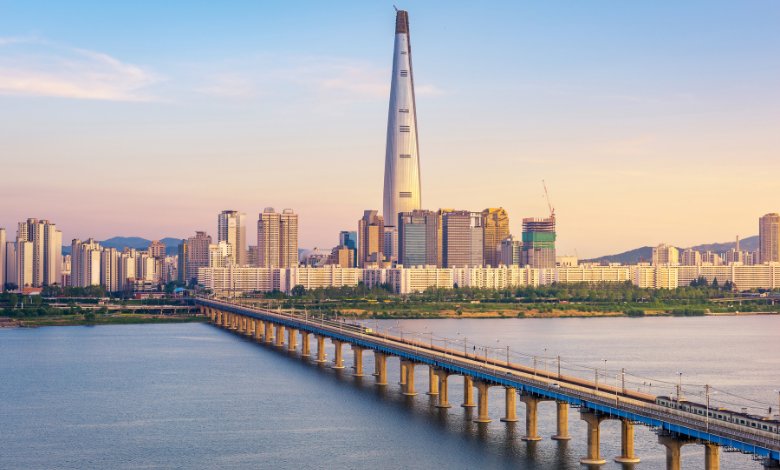
Day three of your 3-day Seoul itinerary is all about enjoying the modern city lifestyle, complete with gorgeous river views and a glittering skyline.
Morning: Namsan Park and N Seoul Tower
Begin at Namsan Park, a green hill in the centre of Seoul that offers walking trails and views across the city. If you enjoy walking, take one of the uphill routes towards N Seoul Tower. Allow around 30–45 minutes for the climb, depending on your starting point, pace and chosen trail.
At the top, enjoy the views from the tower plaza or purchase a ticket for the N Seoul Tower observatory. The elevated position offers a sweeping view of Seoul's skyline, particularly on clear days.
The N Seoul Tower Observation Deck opens daily from 10 AM to 10.30 PM, while weekends and public holidays are till 11 PM. Enjoy thrilling views of the whole metropolitan basin, with standard admission prices ranging from 23,000 KRW to 29,000 KRW, depending on the age group.
Afternoon: Choose Between Gangnam and the Han River
After Namsan, choose the experience that best suits your travel style. Trying to fit both options into the same afternoon is possible, but travelling between them takes time.
Option 1: Gangnam
Gangnam is all about experiencing the best retail, design, and modern lifestyles in Seoul. Visit the Starfield COEX Mall, the biggest underground shopping complex in Asia. Walk to the centre of the mall and view the stunning open-air and multi-storied book towers (Starfield Library).
Spend time at the COEX Aquarium or browsing top Korean fashion brands. You can also dine at the multiple domestic and global dining halls within the complex.
Option 2: Han River
If you prefer a slower afternoon, head to Yeouido Hangang Park or another convenient section of the Han River parks. These riverside spaces are popular for walking, cycling, picnics and watching local life unfold along the water.
Rent a bicycle where services are available, pick up snacks for a picnic or try instant noodles from a riverside convenience store where cooking facilities are provided. You can also consider a Han River cruise, checking departure points and sailing times in advance.
Allow around two to three hours. This option is best for travellers who want a break from shopping and sightseeing, especially in pleasant spring or autumn weather.
Evening: Finishing Off in Style
If you choose the Han River: Head to Banpo Hangang Park for riverside views and the illuminated Some Sevit structures. The Moonlight Rainbow Fountain on Banpo Bridge is a seasonal attraction that generally operates from April to October, with show times varying by month and weather. Check the current schedule before making a special trip to see it.
If you choose Gangnam: Stay in the area for dinner. The streets around Gangnam and Sinnonhyeon stations offer plenty of Korean barbecue restaurants, casual eateries and dessert cafés. If you prefer boutique shopping and a more leisurely evening, consider the Garosu-gil area, checking current shop and restaurant hours before setting out.
Either option gives you a fitting end to three days in Seoul, whether you prefer riverside scenery or the energy of the city's contemporary dining districts.
Best Time to Visit Seoul for a Three-Day Trip
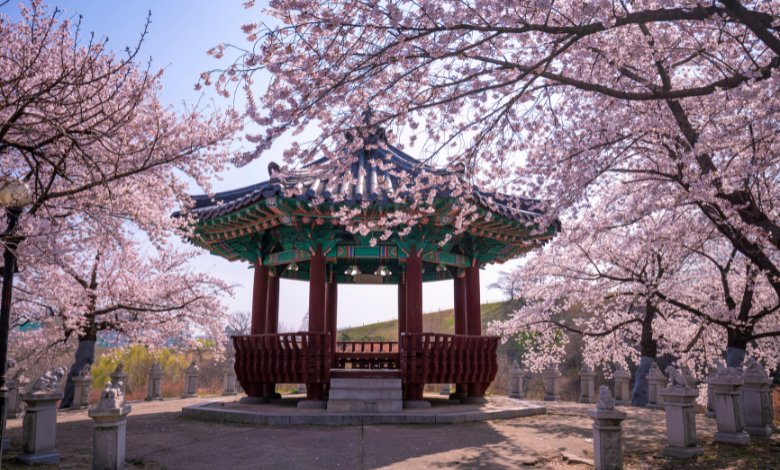
The best time to visit Seoul, South Korea, is usually in the spring (March-May) or autumn (September-November) seasons, since they offer comfortable weather for walking and outdoor sightseeing.
However, it is important to note that weather patterns, crowds, blossom timing and foliage all shift each year.
- Spring (Mar-May): Mild weather makes this the best time to go to Seoul, Korea, in case you’re looking for cherry blossoms, crisp temperatures and outdoor sightseeing.
- Autumn (Sep-Nov): It is an ideal time for comfortable sightseeing, gorgeous autumn foliage and crisp weather.
- Summer (Jun-Aug): You can expect humid and hot conditions, along with some monsoon rainfall. You should keep your itineraries flexible with more indoor attractions.
- Winter (Dec-Feb): High temperatures fall considerably with shorter daylight hours. You’ll need warm clothing to enjoy the ice skating and festive light displays, among other special winter experiences.
Where to Stay in Seoul for a Three-Day Itinerary
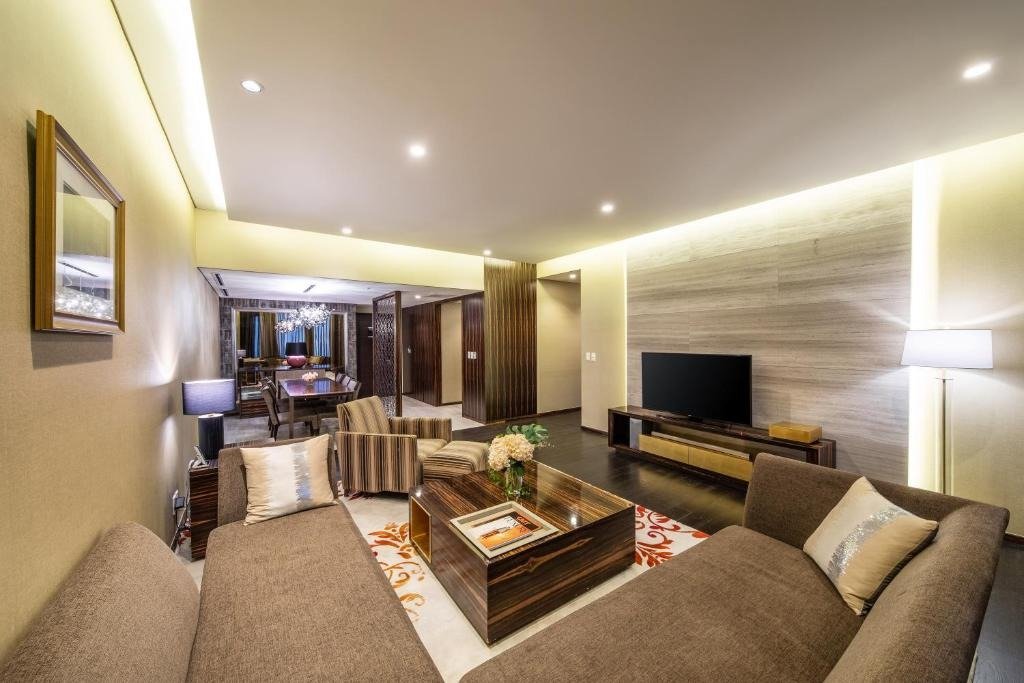
For a short visit, choose a Seoul stay near a well-connected subway station to minimise travel time between attractions. But choosing the right area to stay is as important as the stay itself.
- Myeongdong: Ideal for night markets and central connectivity, although it is slightly crowded in the evenings. Best for first-time visitors.
- Insadong/Jongno: Ideal for visitors prioritising royal palaces, traditional tea houses and historic neighbourhoods. Evenings are generally quieter than in the main nightlife districts.
- Hongdae: Great for youthful energy, vibrant city life, direct Incheon Airport lines and indie stores/cafes, although street noise can remain well into the night.
- Gangnam: Prime hub for luxury dining and shopping, although you’ll need longer commutes to the historic sights in the north.
- Yongsan: Central location near the War Memorial and bustling electronics markets, although it is more business-like and less tourist-oriented than neighbouring areas.
Practical Tips for Planning a Trip to Seoul
Here are some practical tips to help you plan a trip to Seoul, South Korea:
- Sort out transport: Get a T-money card for buses and subways, and download Naver Map or KakaoMap for directions.
- Plan around opening days: Gyeongbokgung Palace is usually closed on Tuesdays, so organise your sightseeing accordingly.
- Allow time for airport transfers: Check your journey from Incheon Airport to your accommodation before arrival, especially if you land late.
- Carry comfortable shoes: Seoul's hills, palace grounds and subway stations involve plenty of walking.
- Check seasonal attractions: Verify the Banpo Bridge fountain schedule and other seasonal activities before visiting.
- Keep some cash handy: Cards are widely accepted, but cash can be useful at smaller market stalls and street-food vendors.
Conclusion
Three days in Seoul gives first-time visitors a taste of the city's royal heritage, traditional neighbourhoods, street food and contemporary culture. Plan each day around nearby attractions, check opening hours before setting out and leave room for spontaneous discoveries. Choosing a well-connected base, such as Myeongdong or Jongno, will also make it easier to explore the city without spending too much time travelling between stops.
FAQs
Is 3 days enough to explore Seoul?
What is the best area to stay in Seoul for first-time visitors?
How much money do you need for 3 days in Seoul?
What is the best time of year to visit Seoul?
What should I book in advance for a 3-day Seoul trip?